Madagascar — Lemurs and rainforest
2023
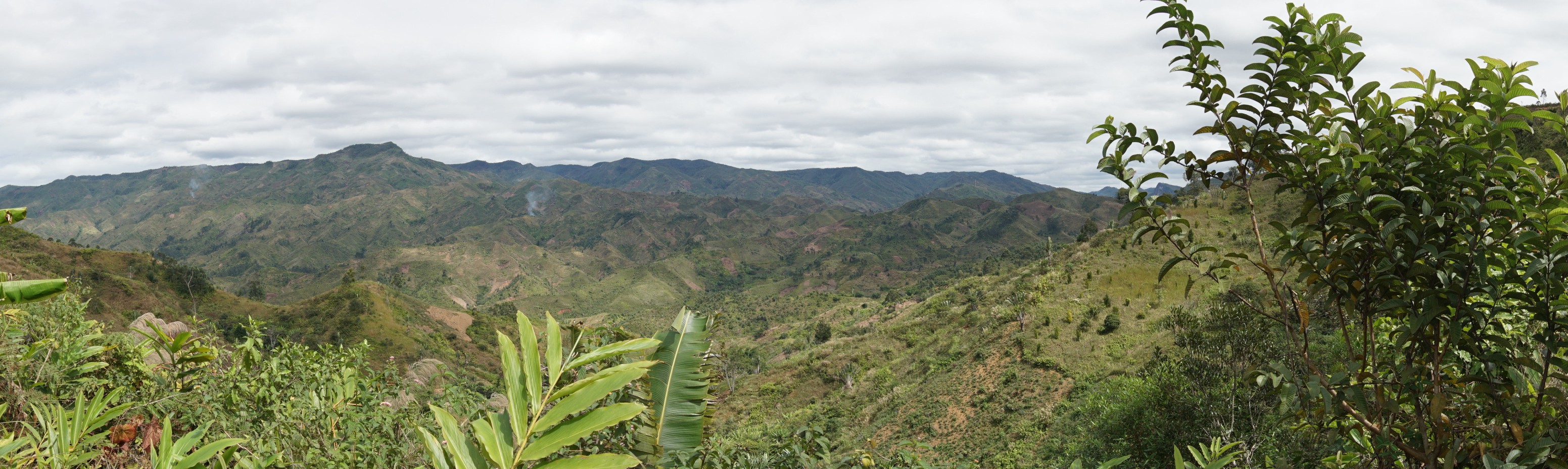
Most of Madagascar was once covered by rainforest, home to an abundance of animal species found nowhere else in the world. Today only a small fraction remains — just 10 percent of the island’s original rainforest is still standing. The original large, lush wetlands have also been severely affected, as forests are felled and enormous quantities of silt and sediment wash down from the mountains, gradually filling in the wetlands.
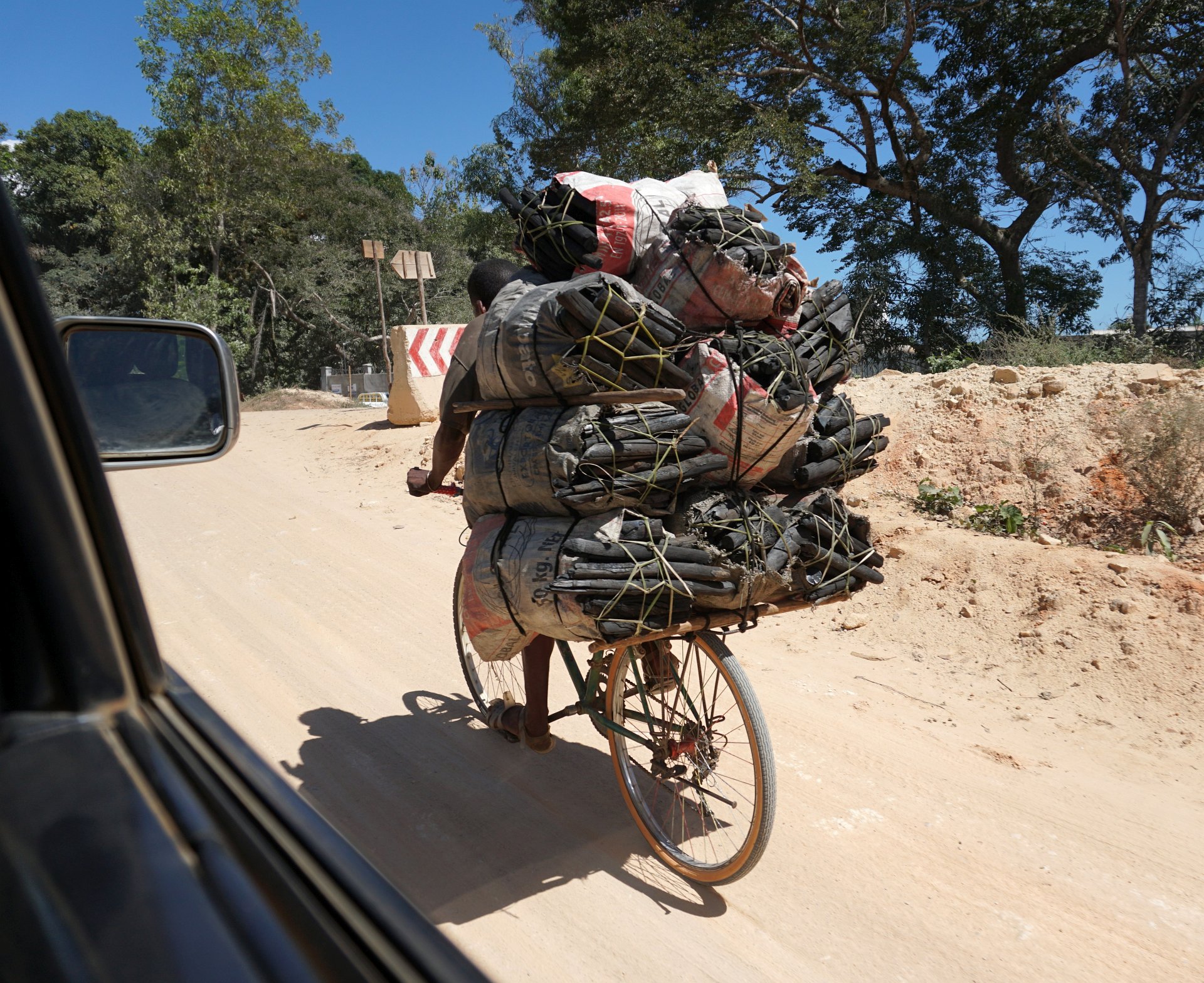
90% of all hot food is cooked over charcoal, so every day charcoal is used for nearly 30 million meals (population of approximately 33 million). For cooking alone, enormous quantities of timber are felled in the forests every single day.
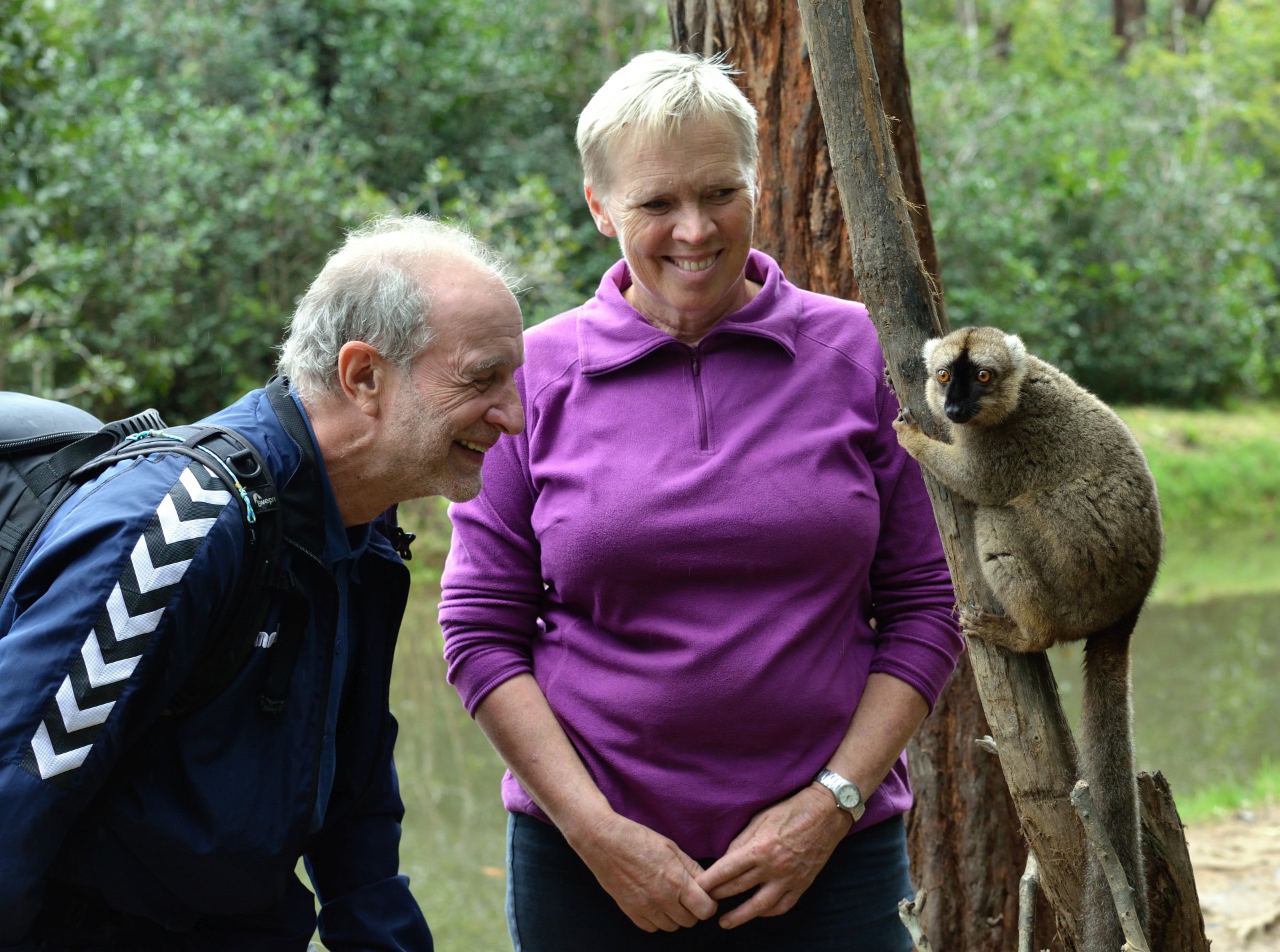
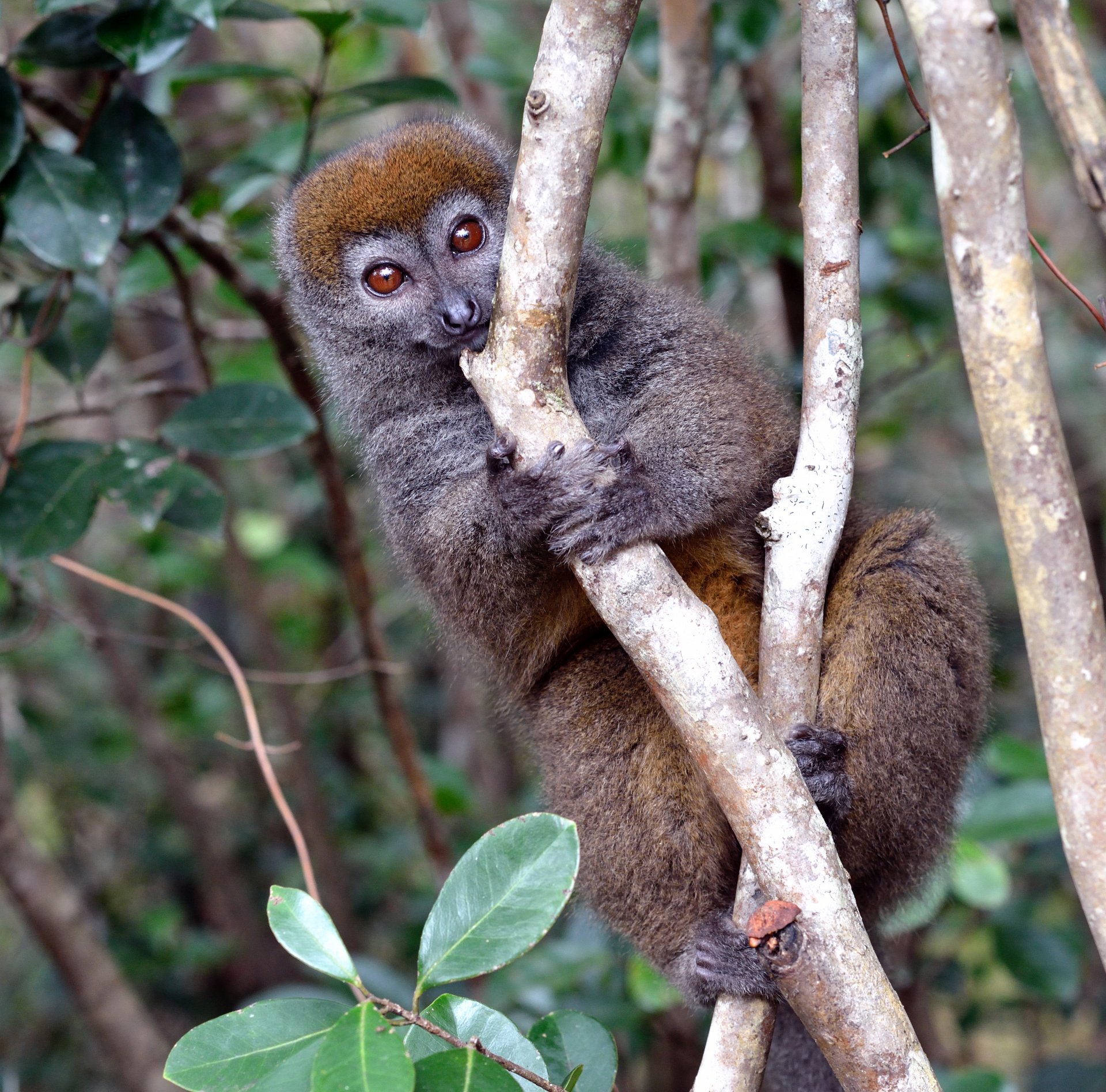
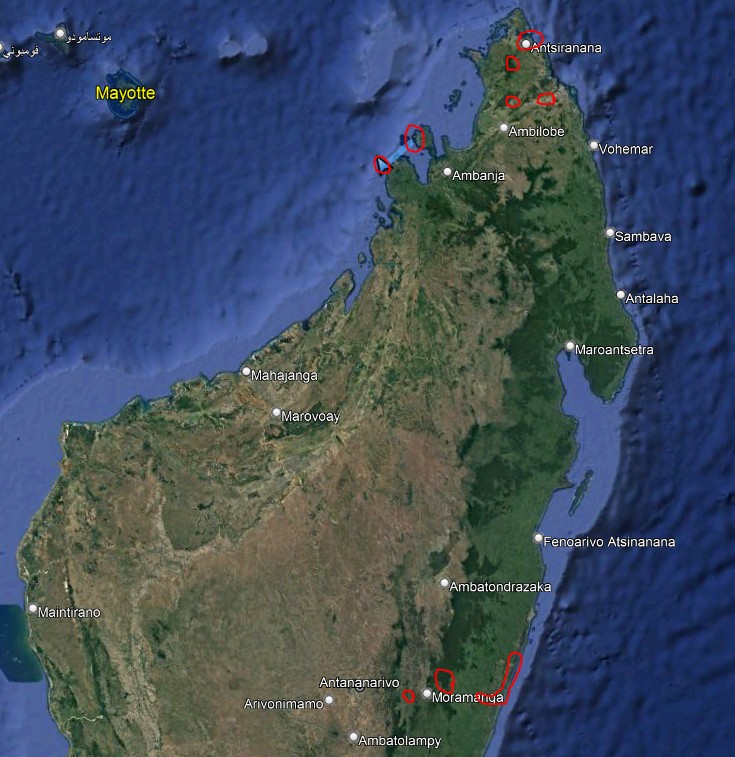
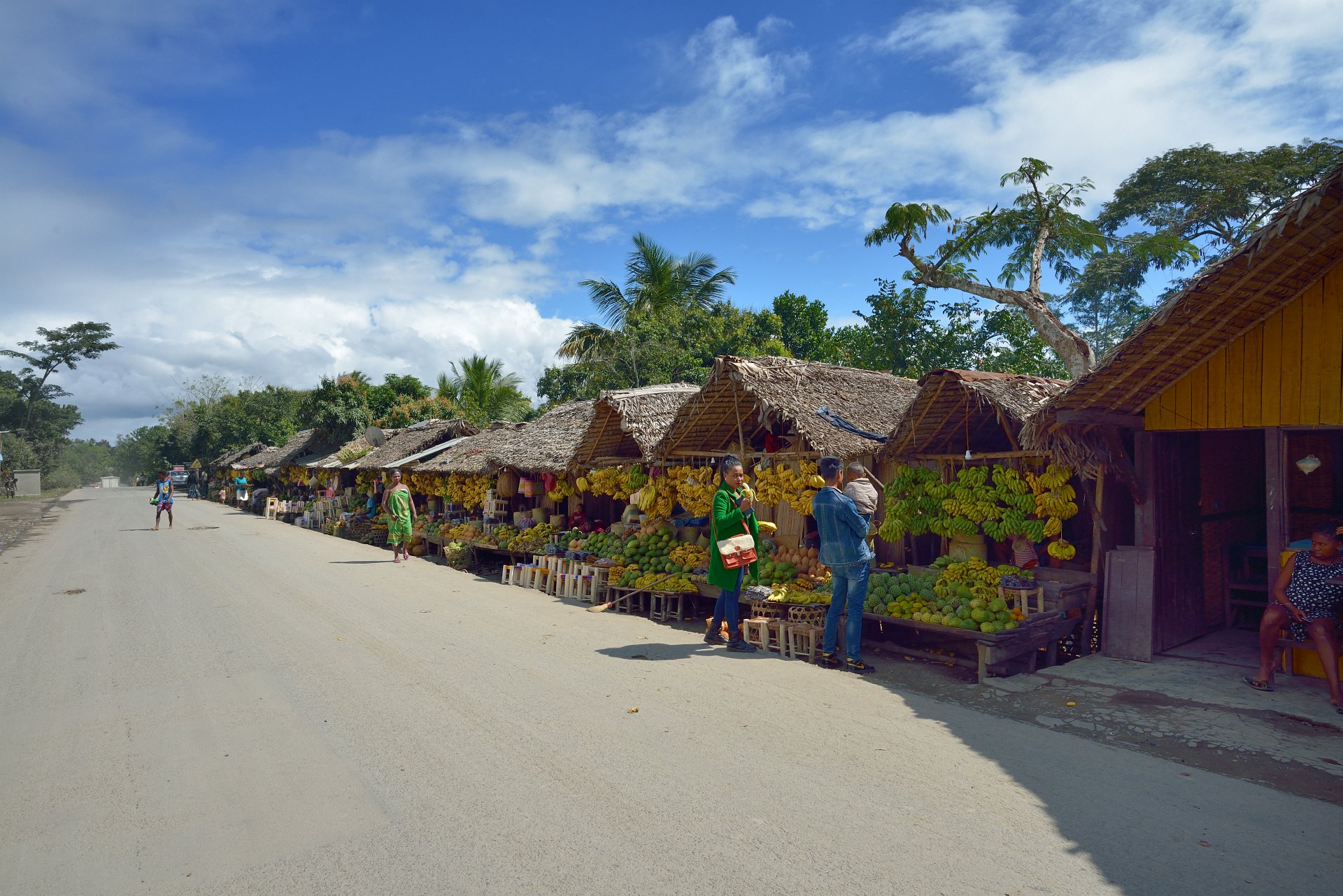
We landed in the capital Antananarivo and drove in powerful four-wheel-drive vehicles towards the eastern coast. We made several stops at small reserves where locals were trying to protect lemurs. Some reserves are so small that only a few lemur families live there; others cover several km² and support larger populations and multiple species. Madagascar has so far recorded 112 different lemur species. When walking through a reserve you always have a guide with you — they know where to look for the animals, and some carry pieces of banana to lure them close.
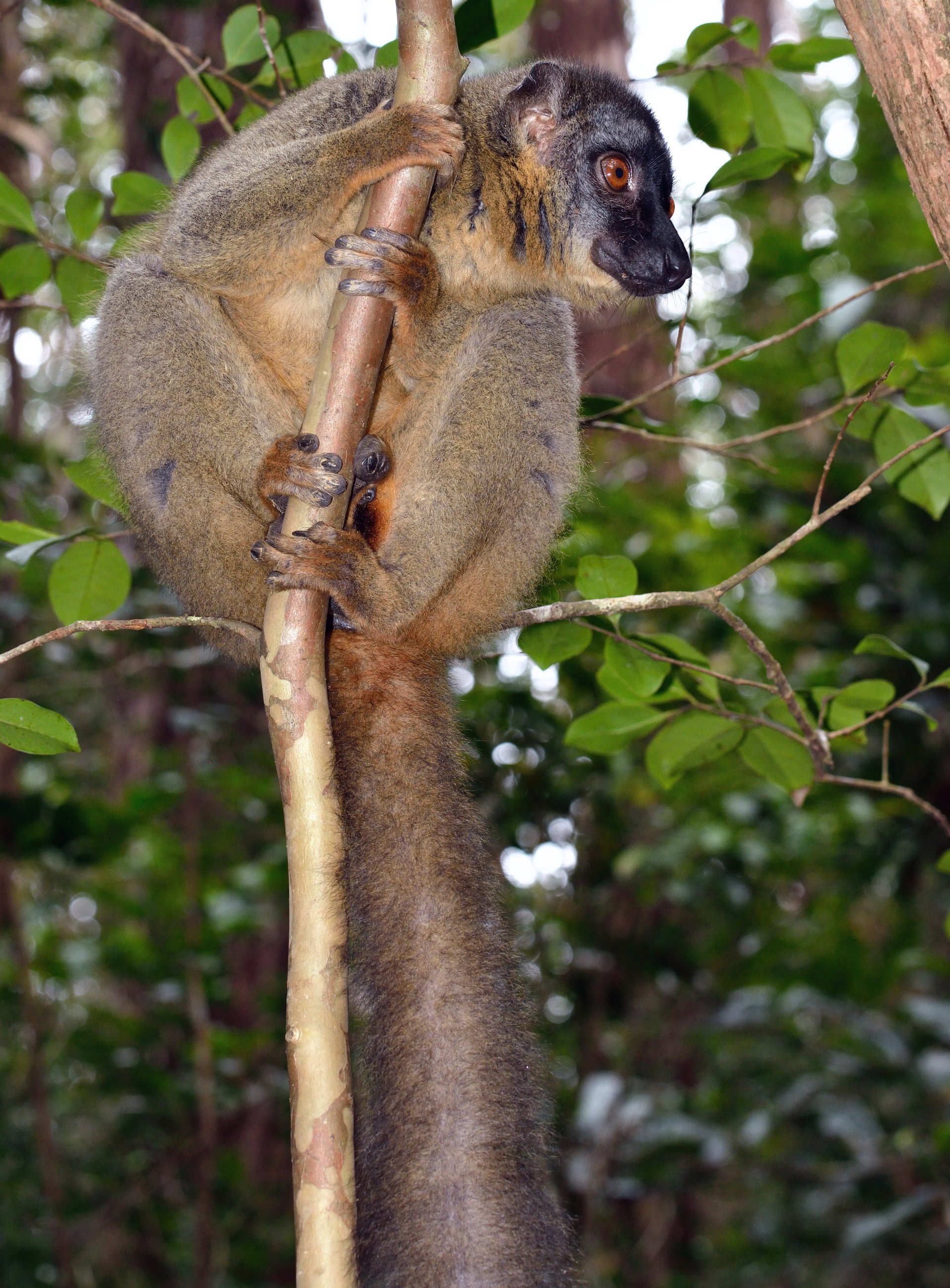
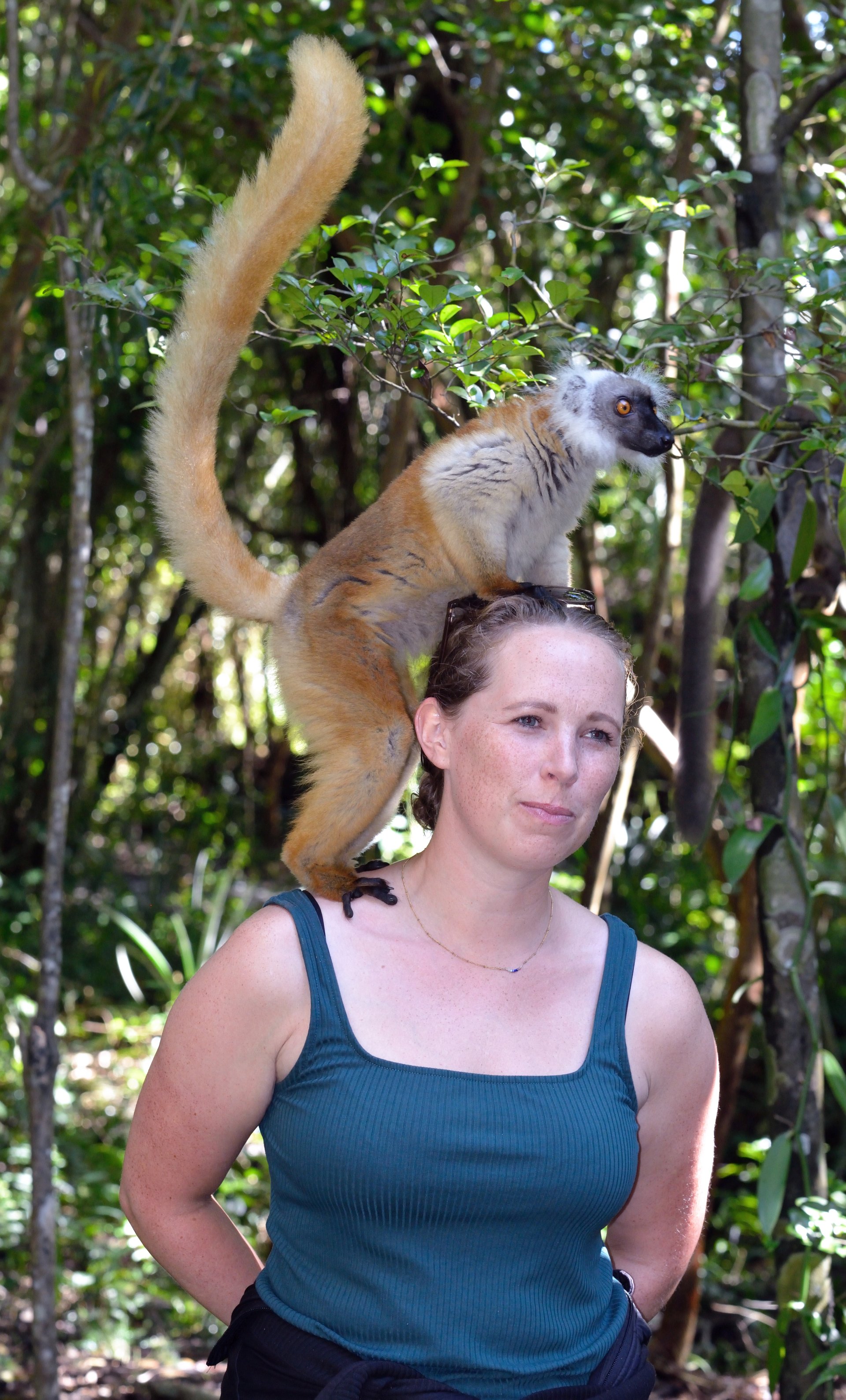
Right out on the east coast lies Aye-aye Island (searchable on Google Maps). The local community has tried to protect a nocturnal lemur species called the Aye-aye, which had been hunted by locals due to superstition. Tourists now pay to visit the island where surviving individuals have been released. This is how they hope the species will survive.
Watch a short film from Aye-Aye Island →
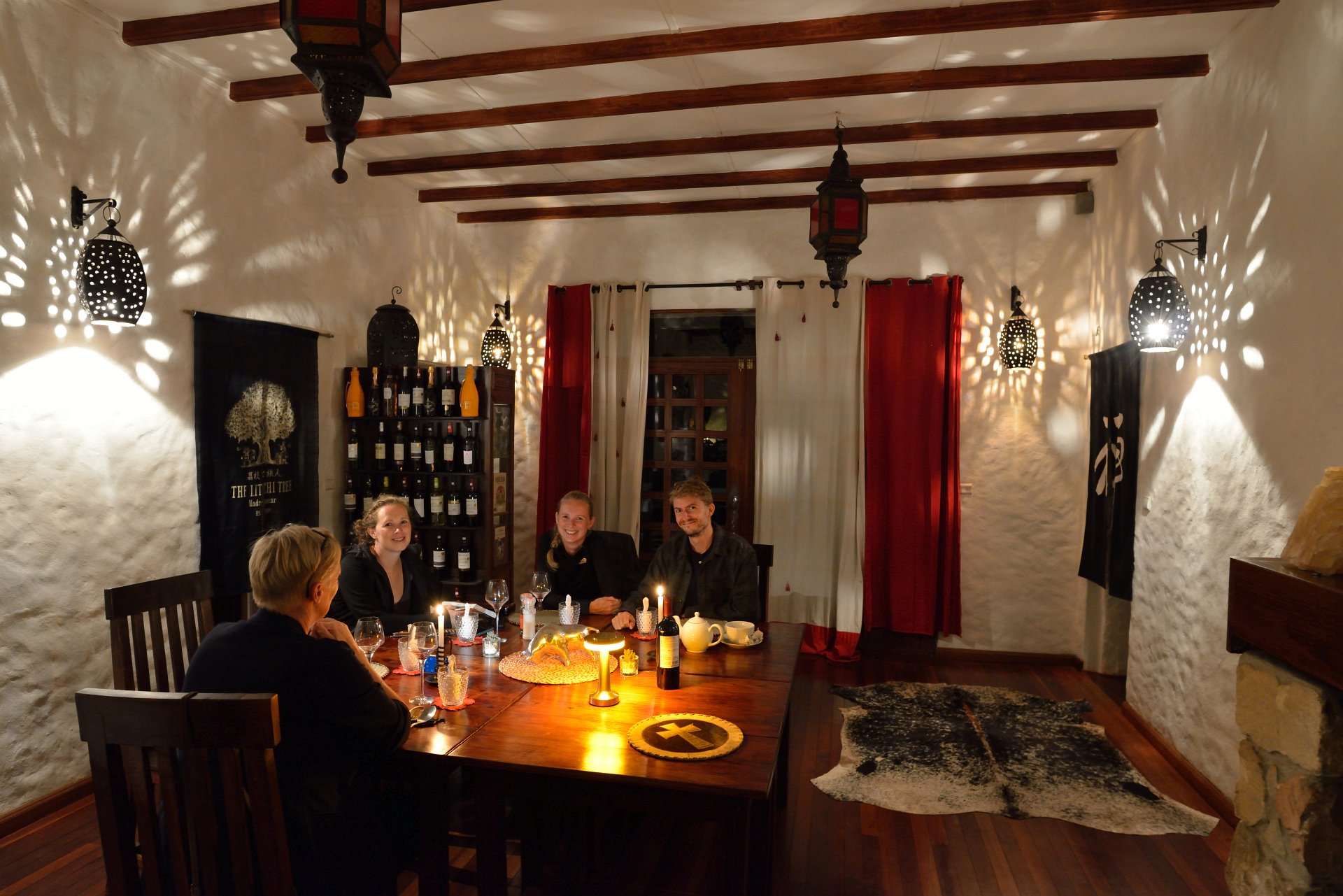
We stayed at Palmarium Hotel Ankanin’Nofy — a very special place because it is now owned by locals. The tourists who visit the hotel thereby support approximately 100 people who live around the hotel in a small village.
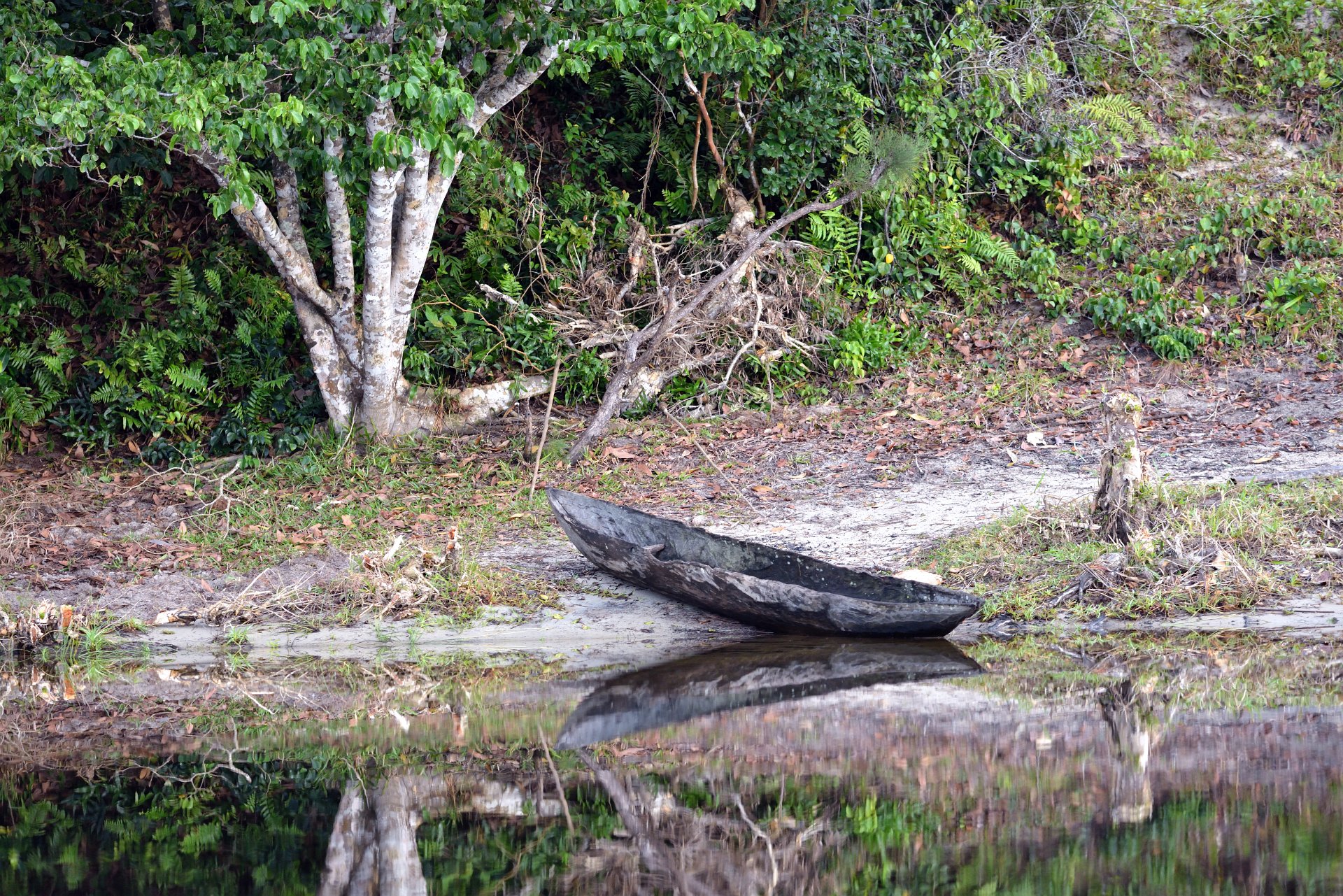
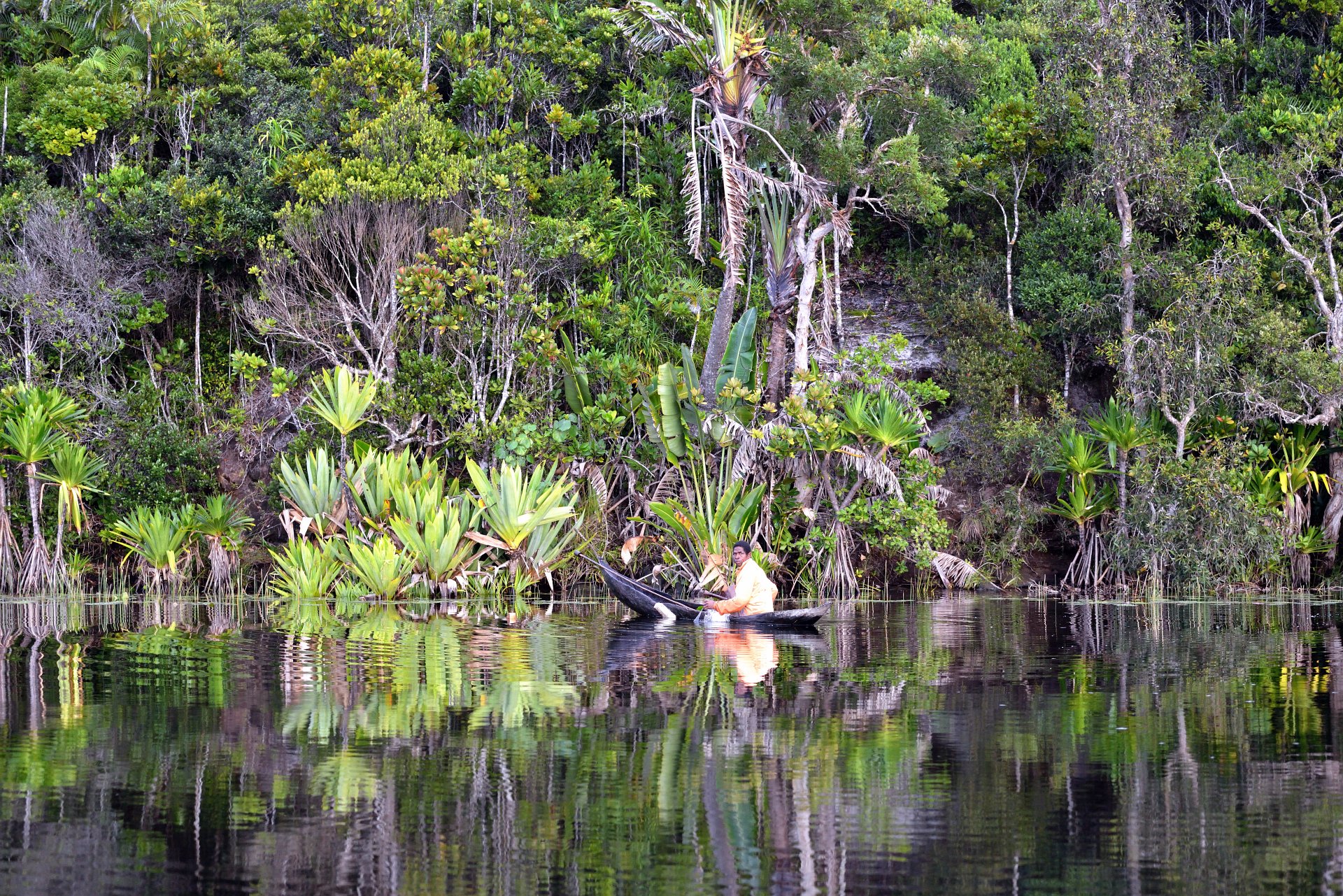
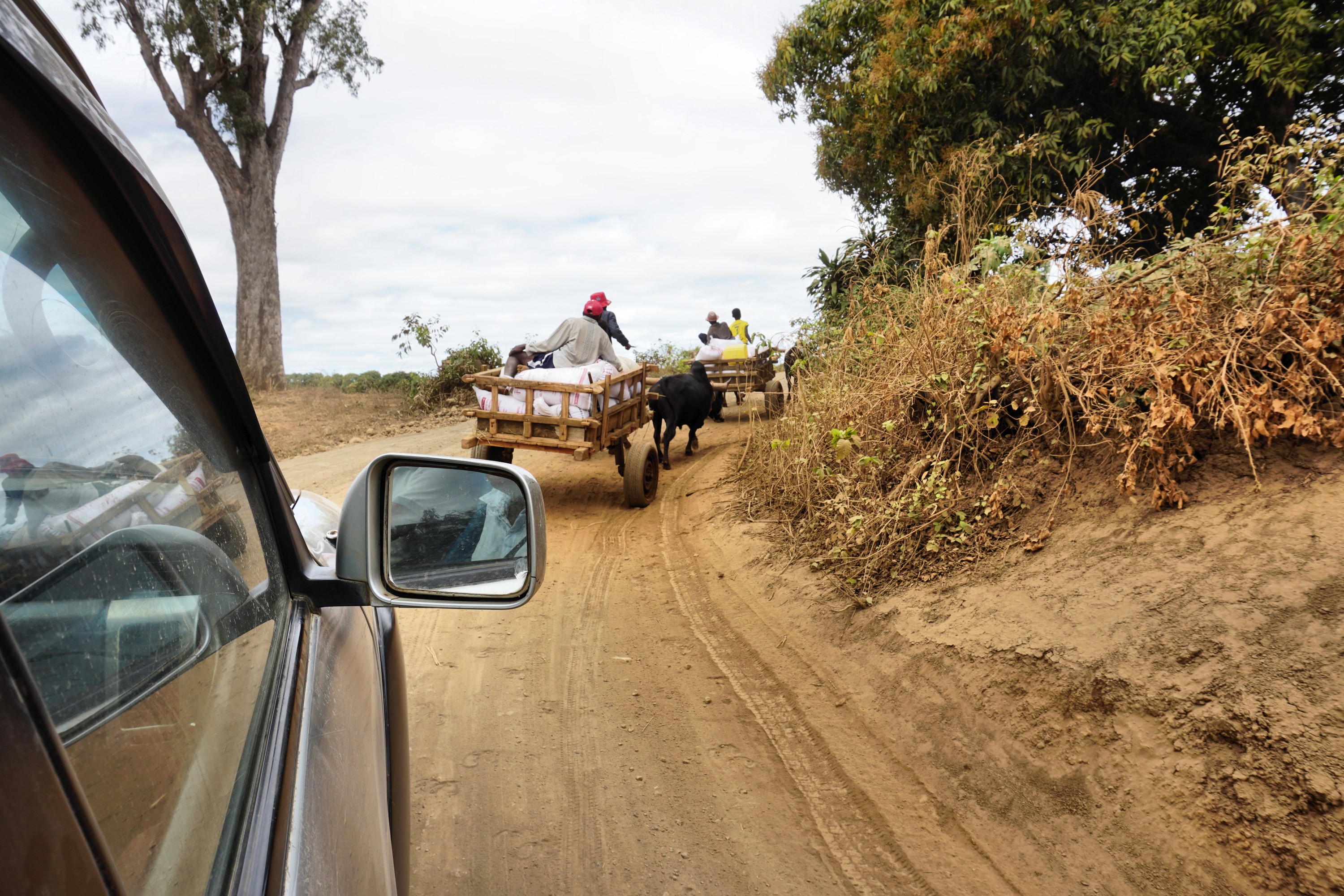
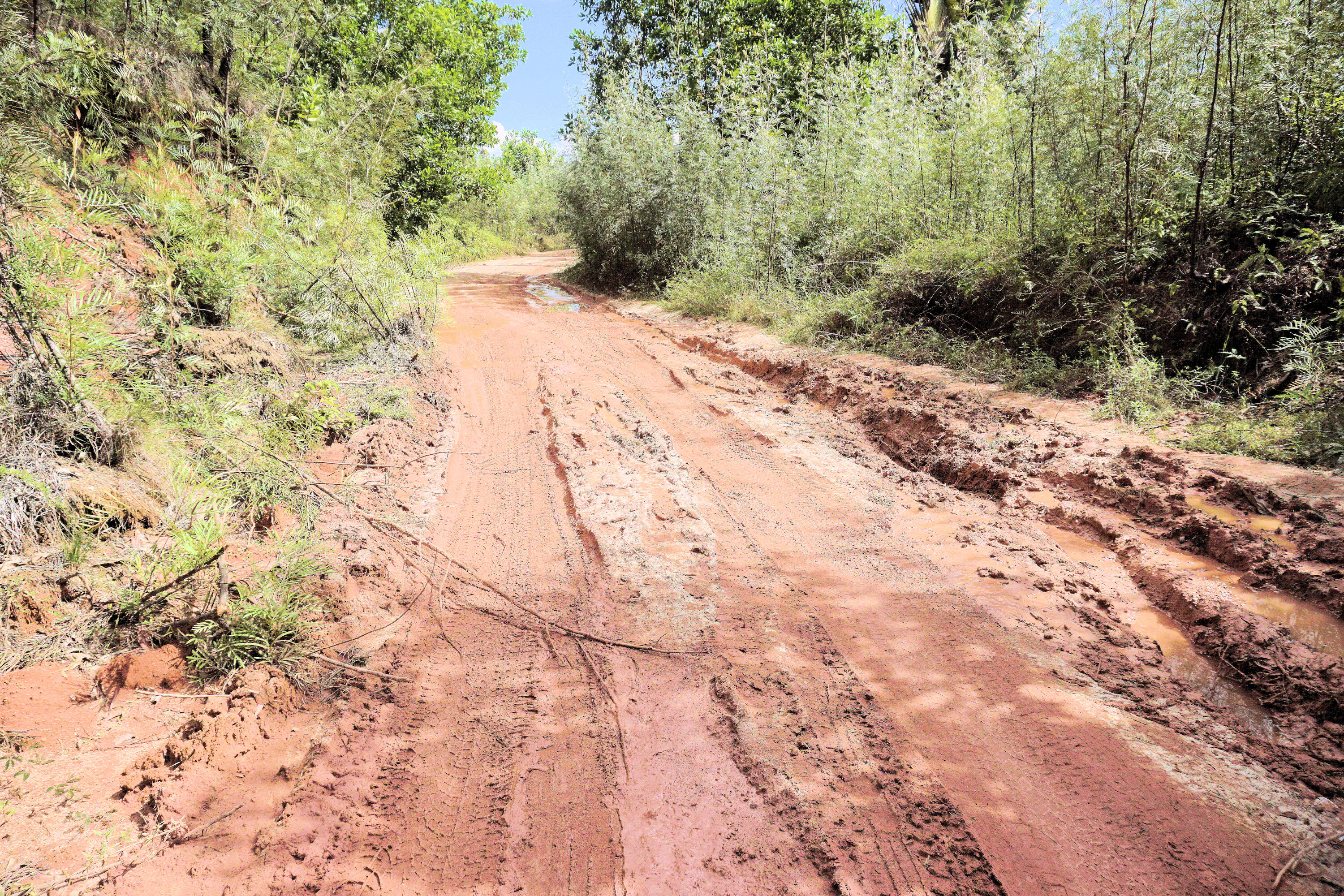
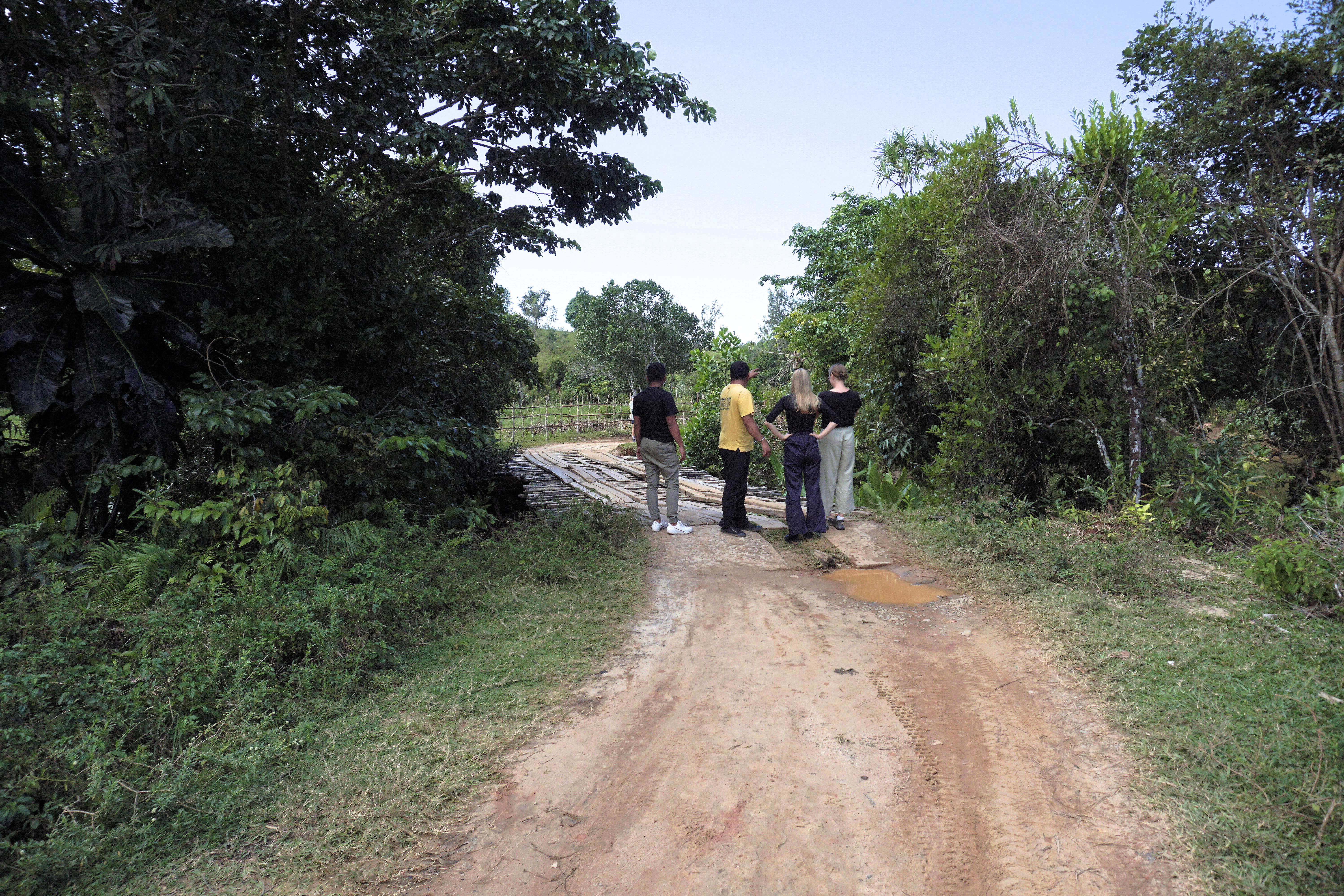
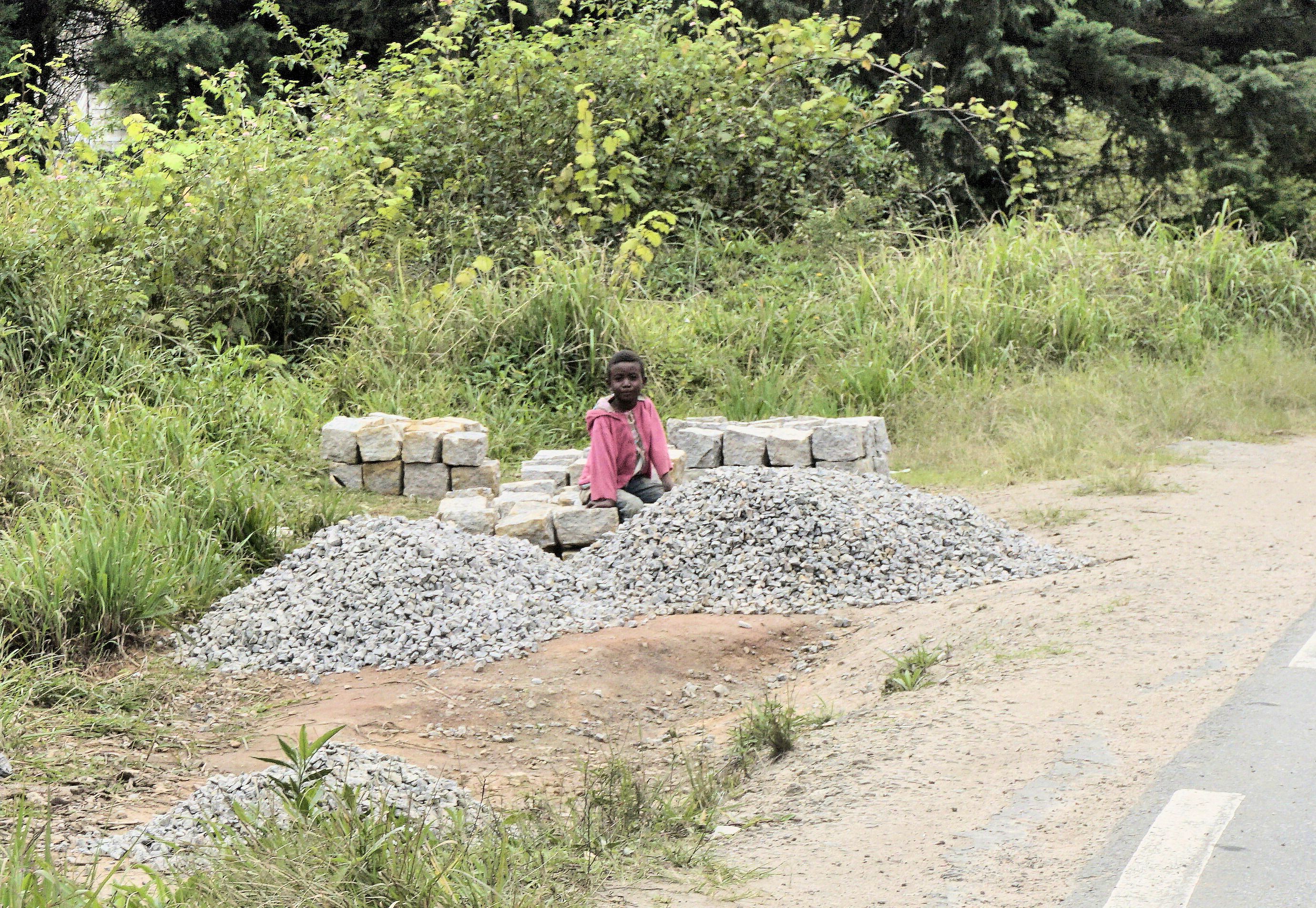
Madagascar was governed by France until the late 1950s, and much of the infrastructure from the French era is still in use. It has not been maintained, however, and has been deteriorating for the past 60 years. The only practical way to get around is in powerful four-wheel-drive vehicles, and even then the average speed on the main arterial roads such as the N2 is around 20 km/h. In Madagascar, distances are not measured in kilometres but exclusively in how many hours it takes to get there. Our journey from the coast back to Antananarivo was 285 km and took 12 hours. The roads can only be used from sunrise to sunset because they are simply not navigable in the dark. Half-metre-deep potholes, no road markings and no signage are entirely normal.
Montagne d’Ambre National Park
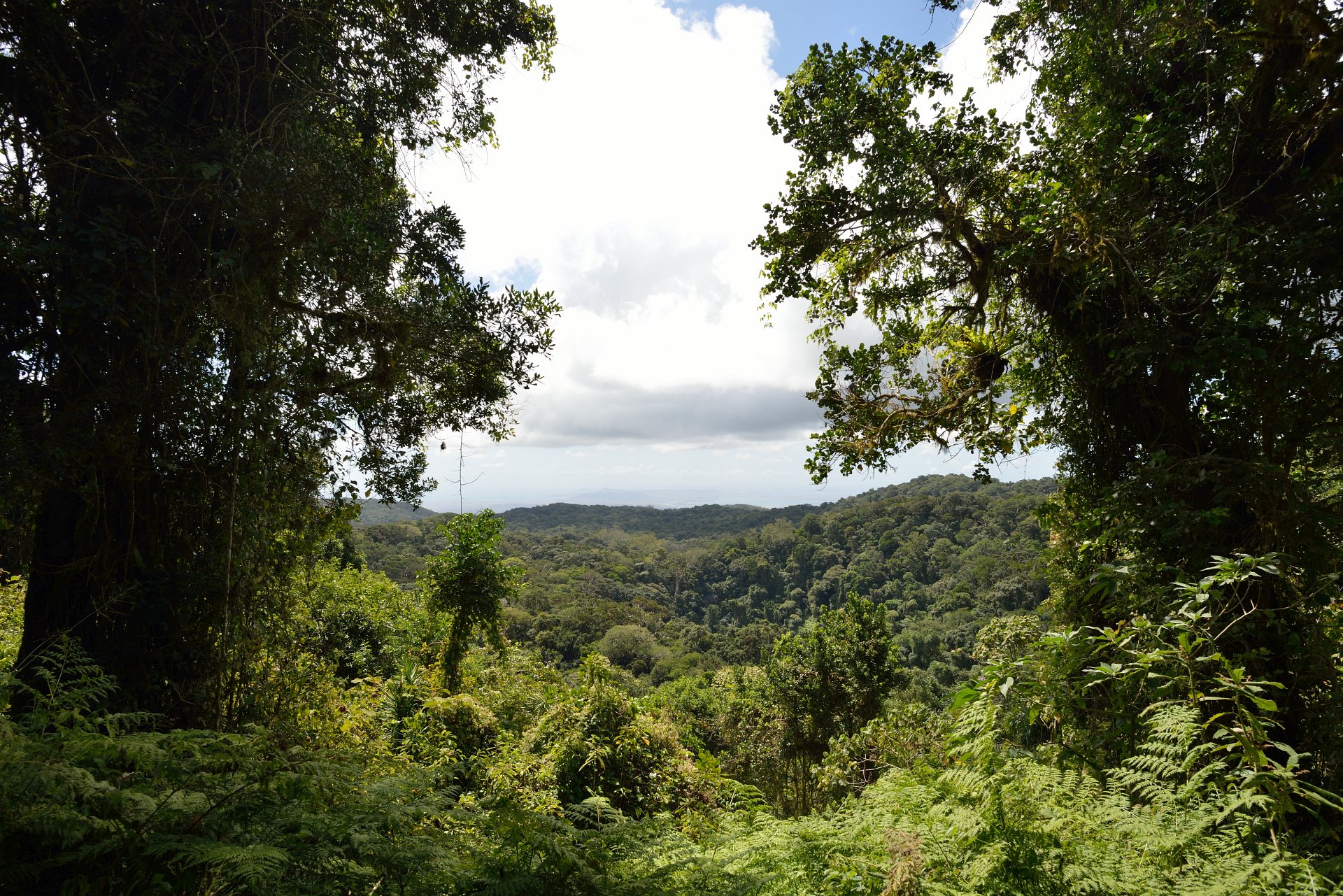
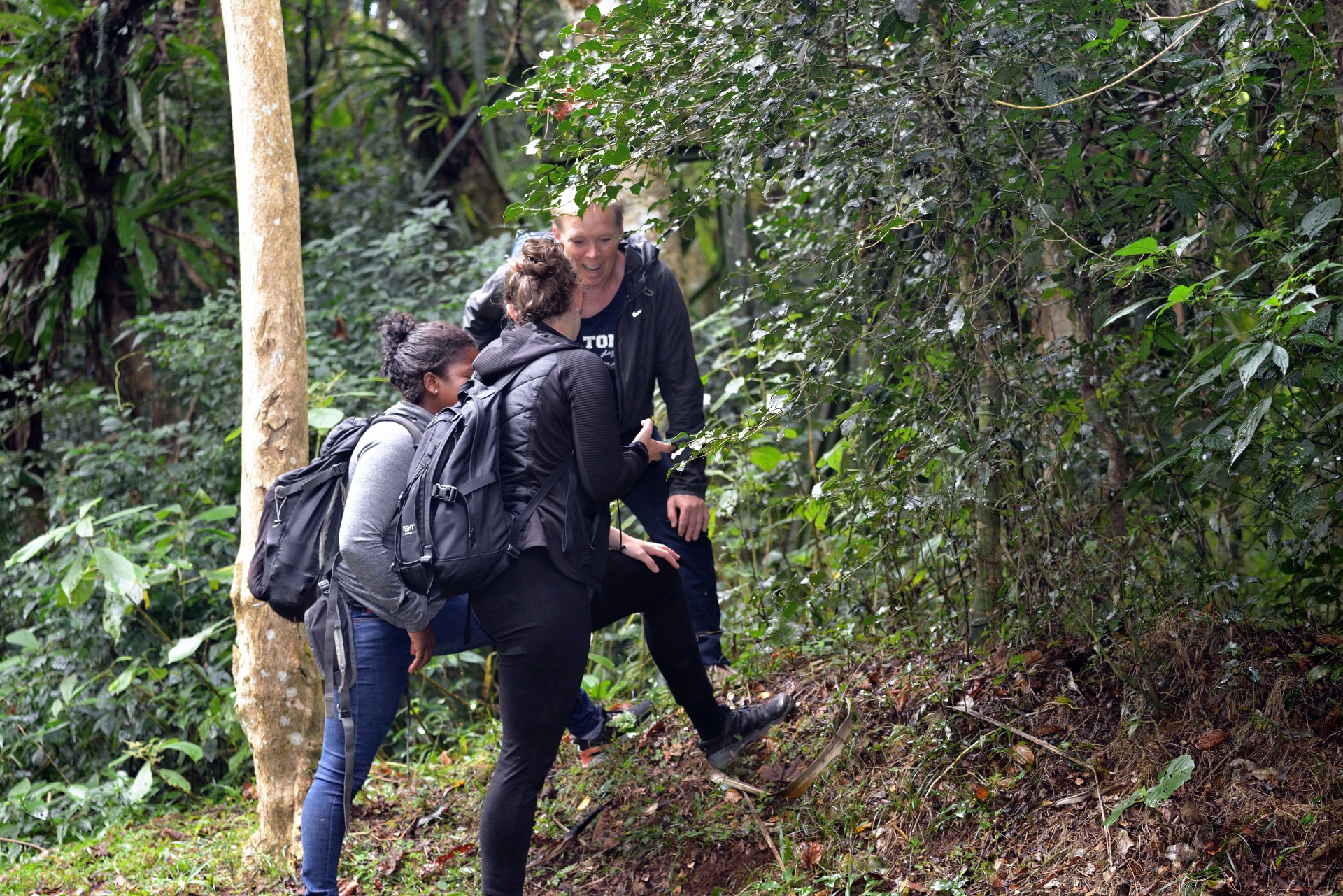
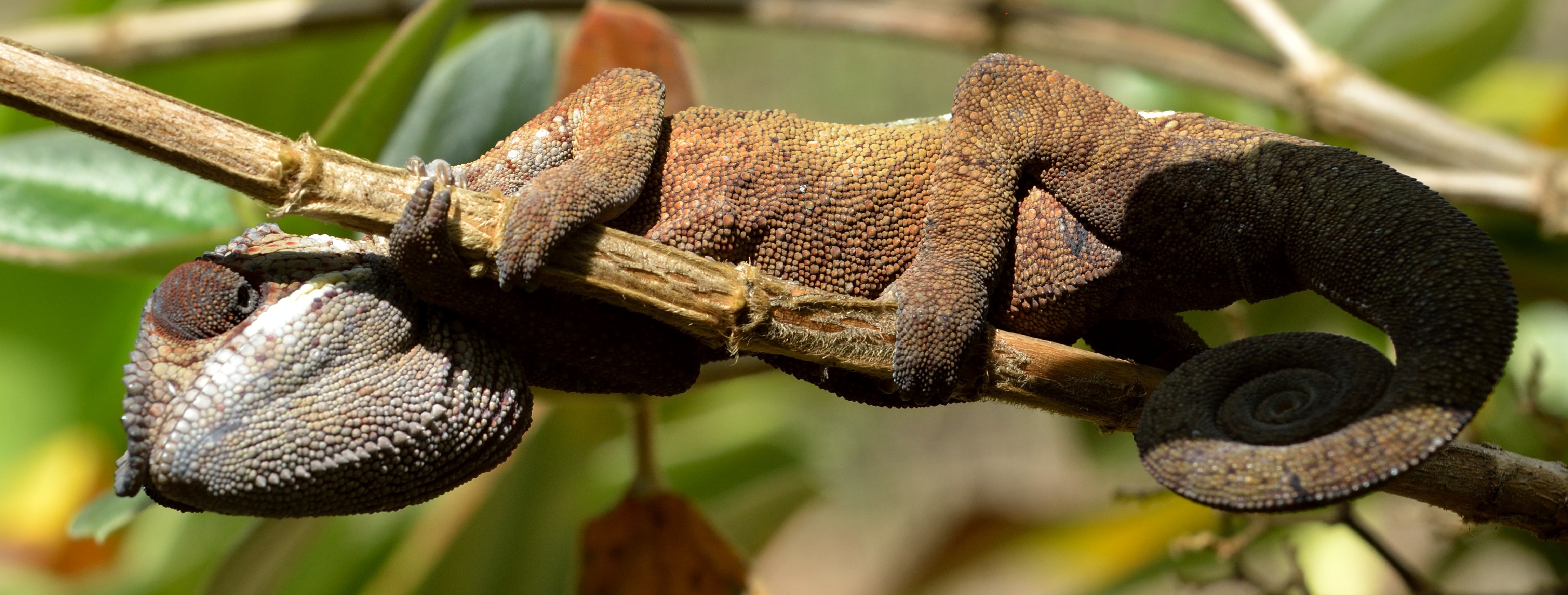
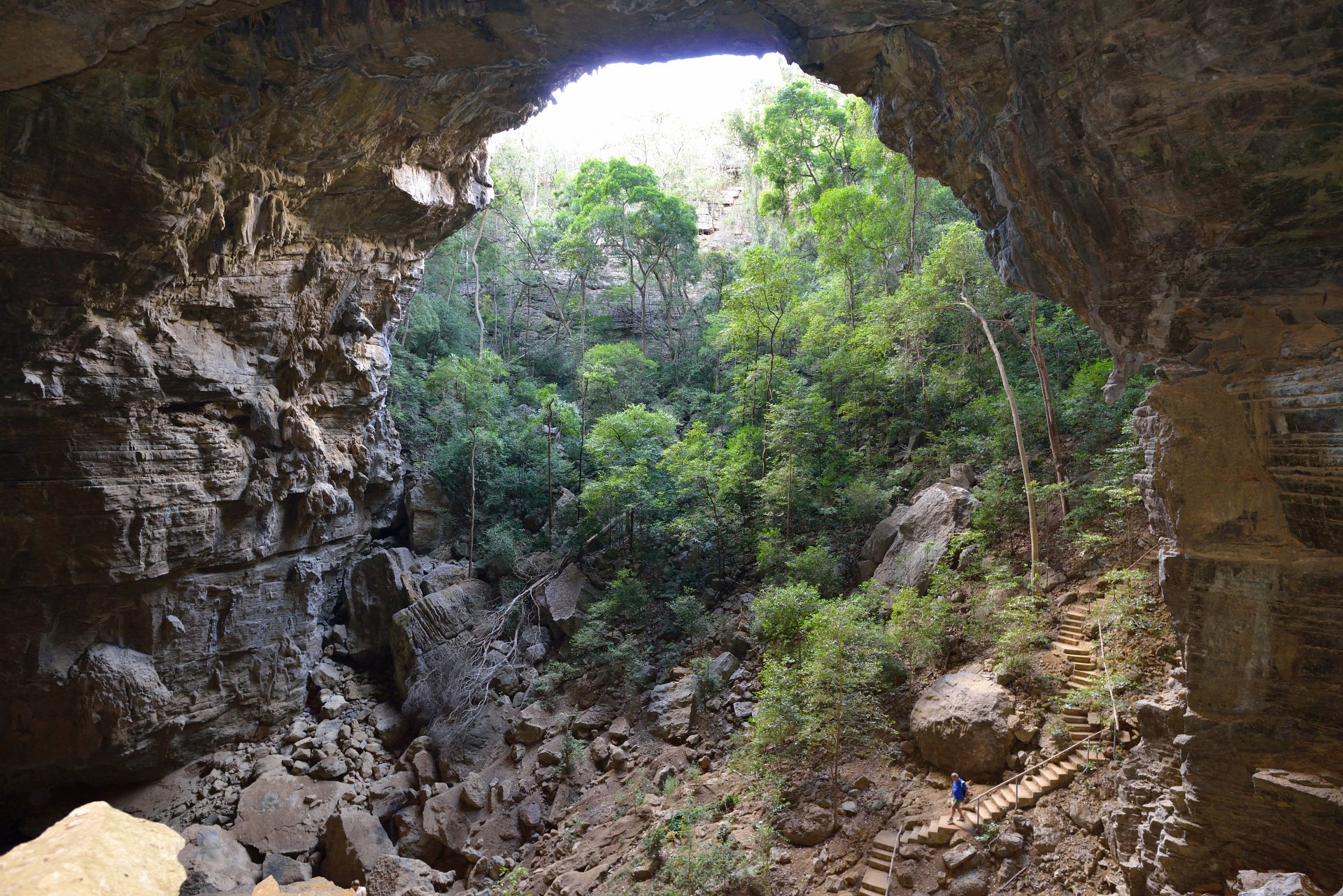
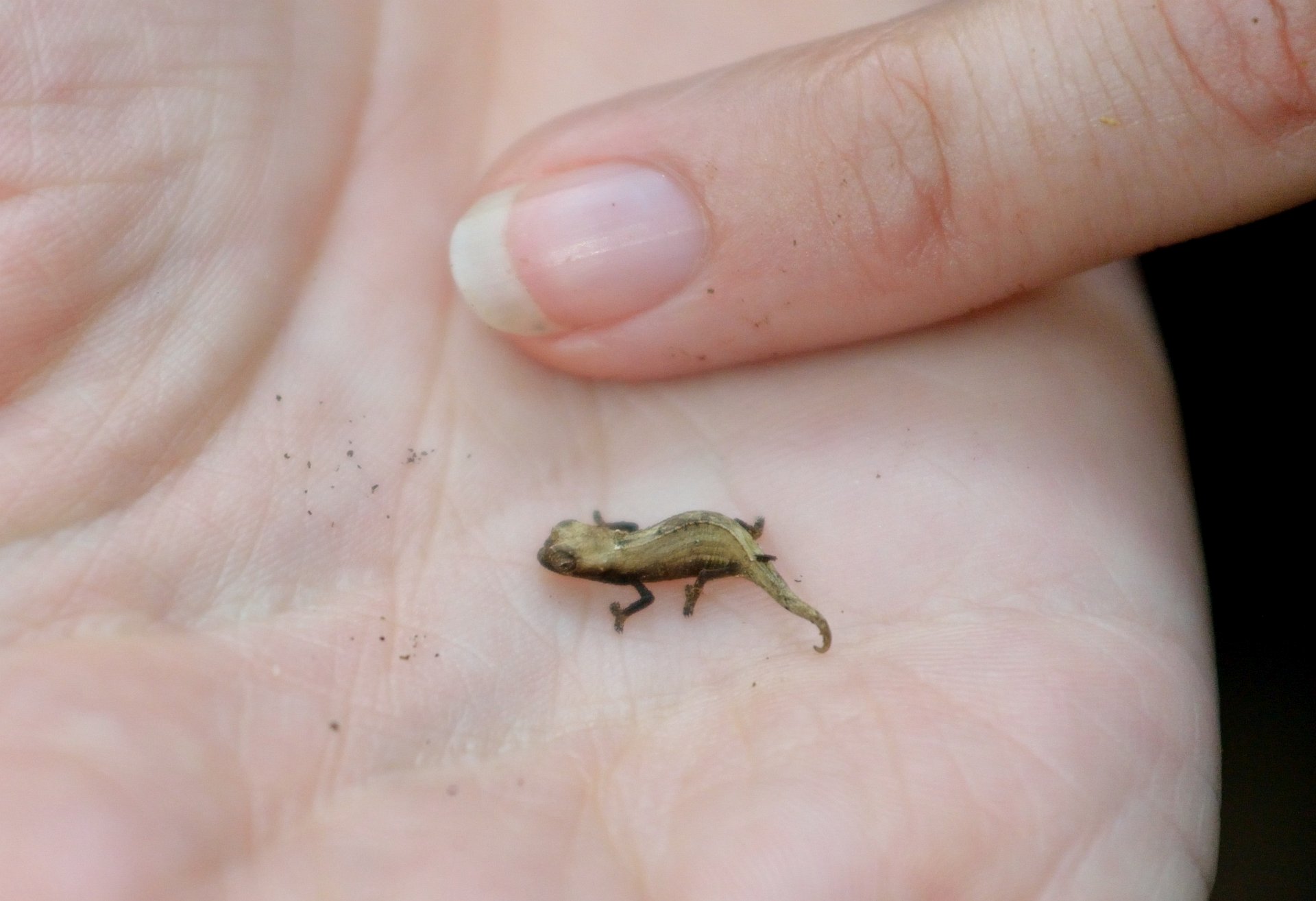
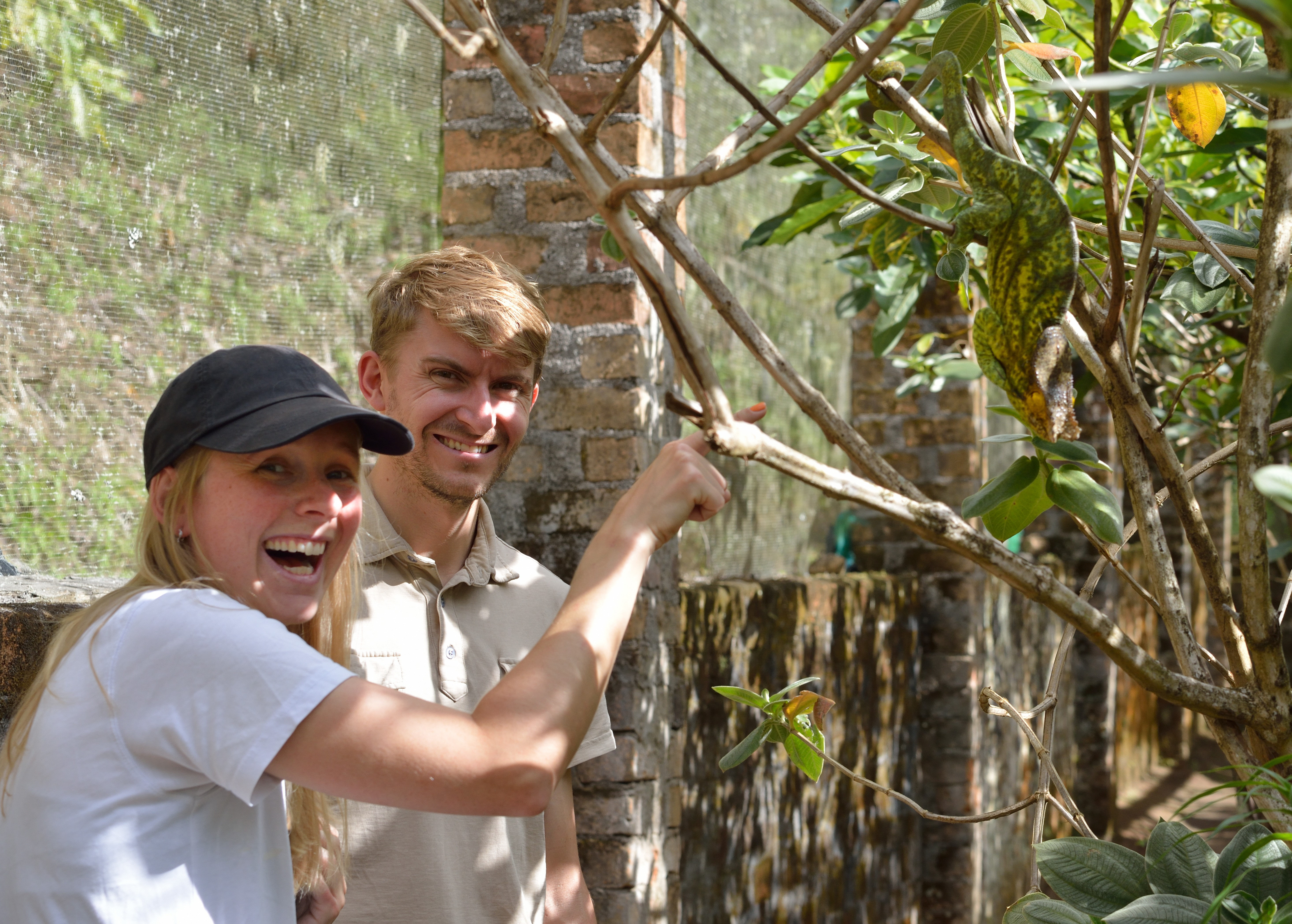
The second part of our trip took us to the northern part of the island, where there are still some large nature reserves spanning 40×40 km. Wild lemurs and a host of other remarkable animals still live in these vast areas. Our guide found the world’s smallest chameleon — less than 3 cm from head to tail, yet otherwise resembling a perfectly ordinary large chameleon. The chance of actually seeing lemurs in these ancient forests is small, but you can easily hear them calling. The large black lemurs can be heard several kilometres away on a morning.
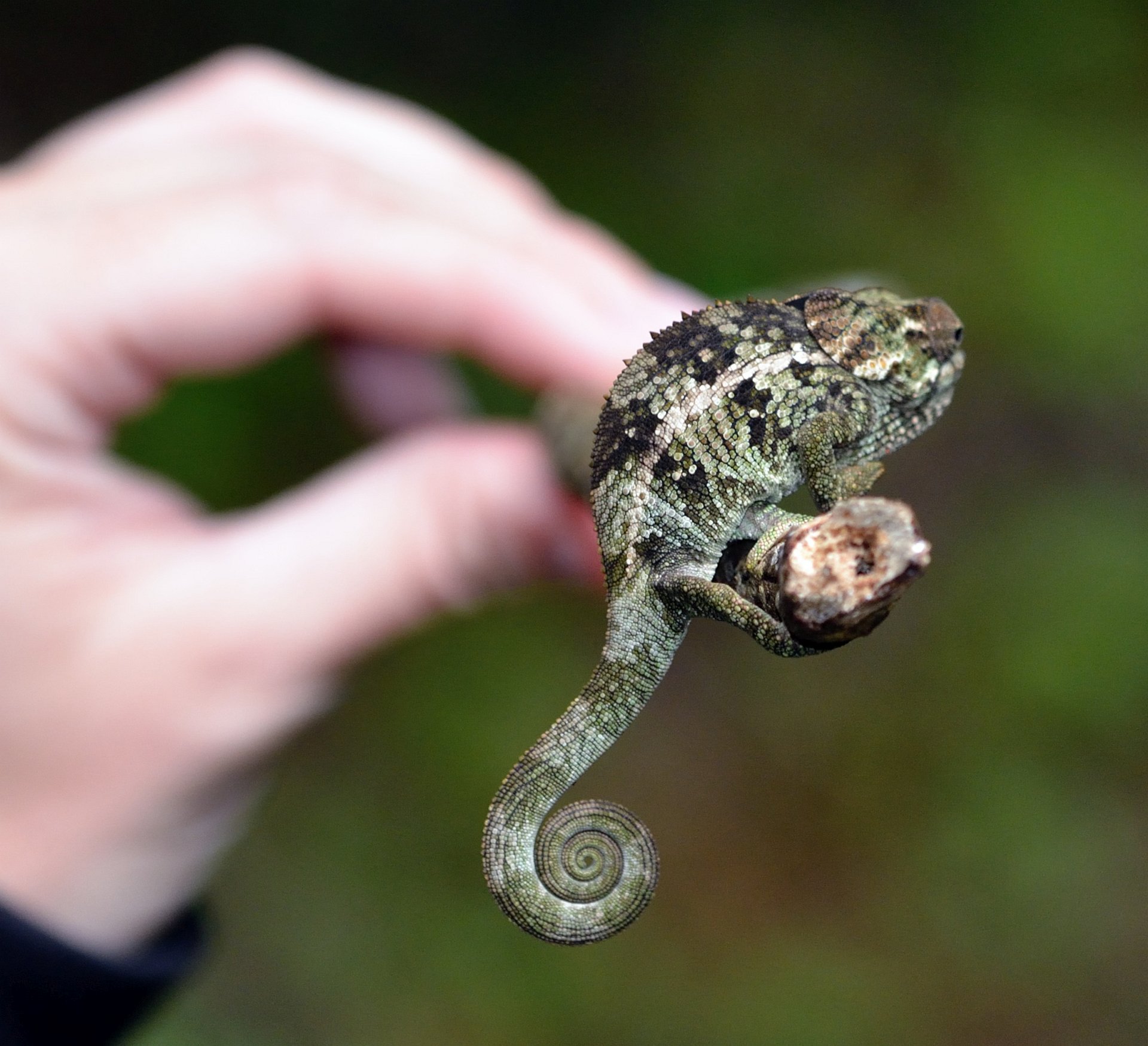
Half of all entrance fees paid by tourists go directly to the local community. This ensures that the forest is preserved and that animals are not used for food.
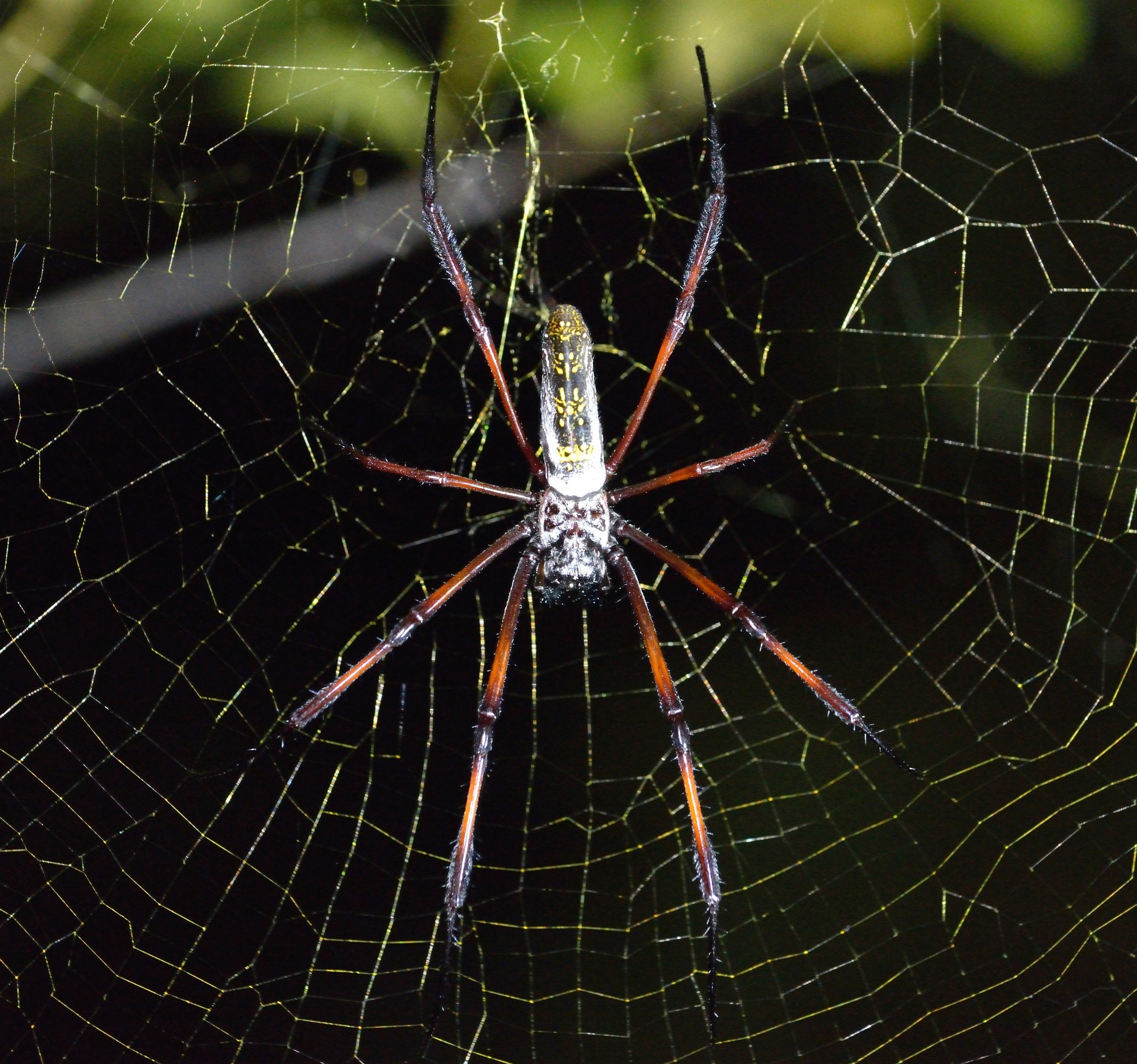
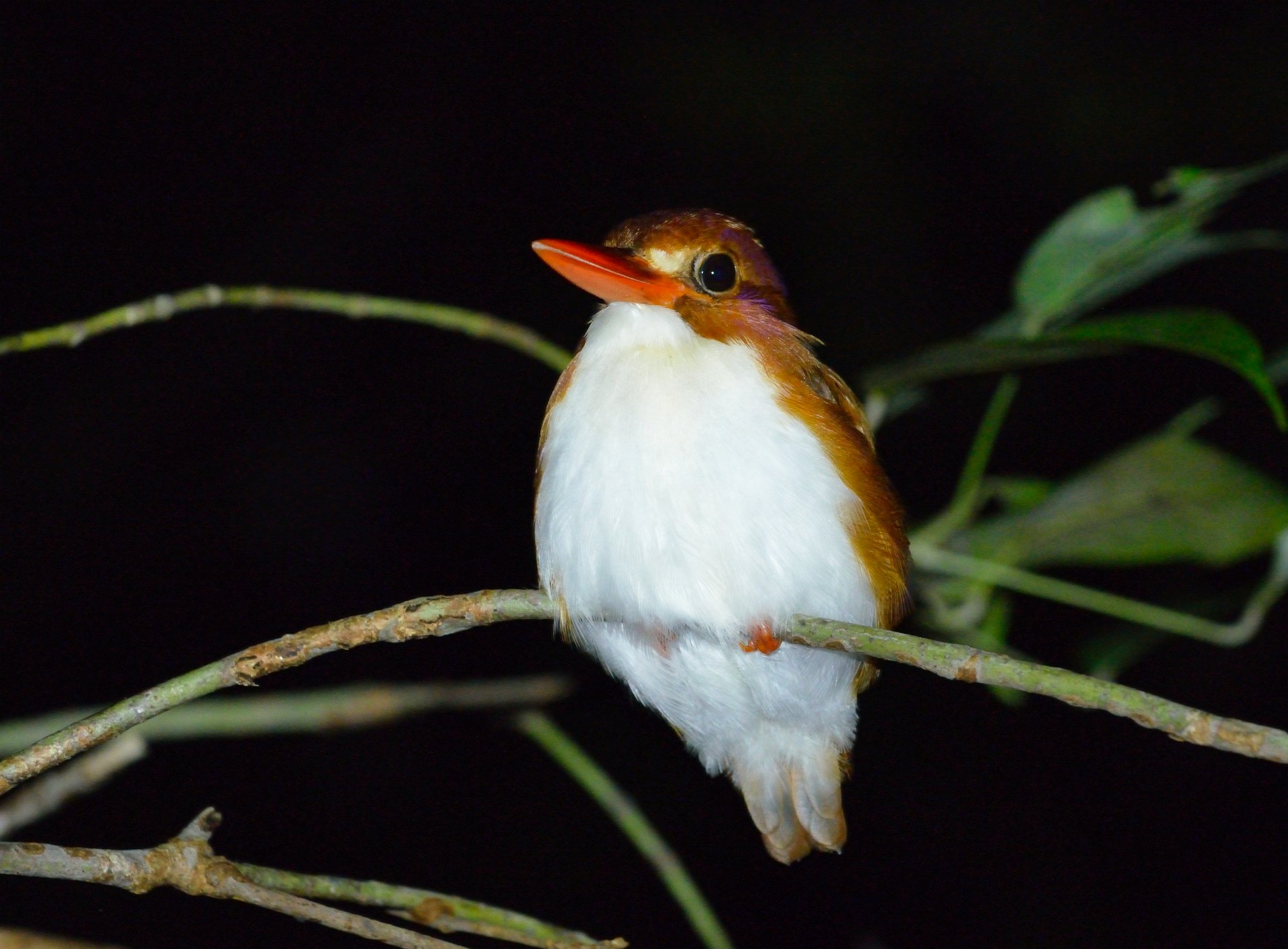
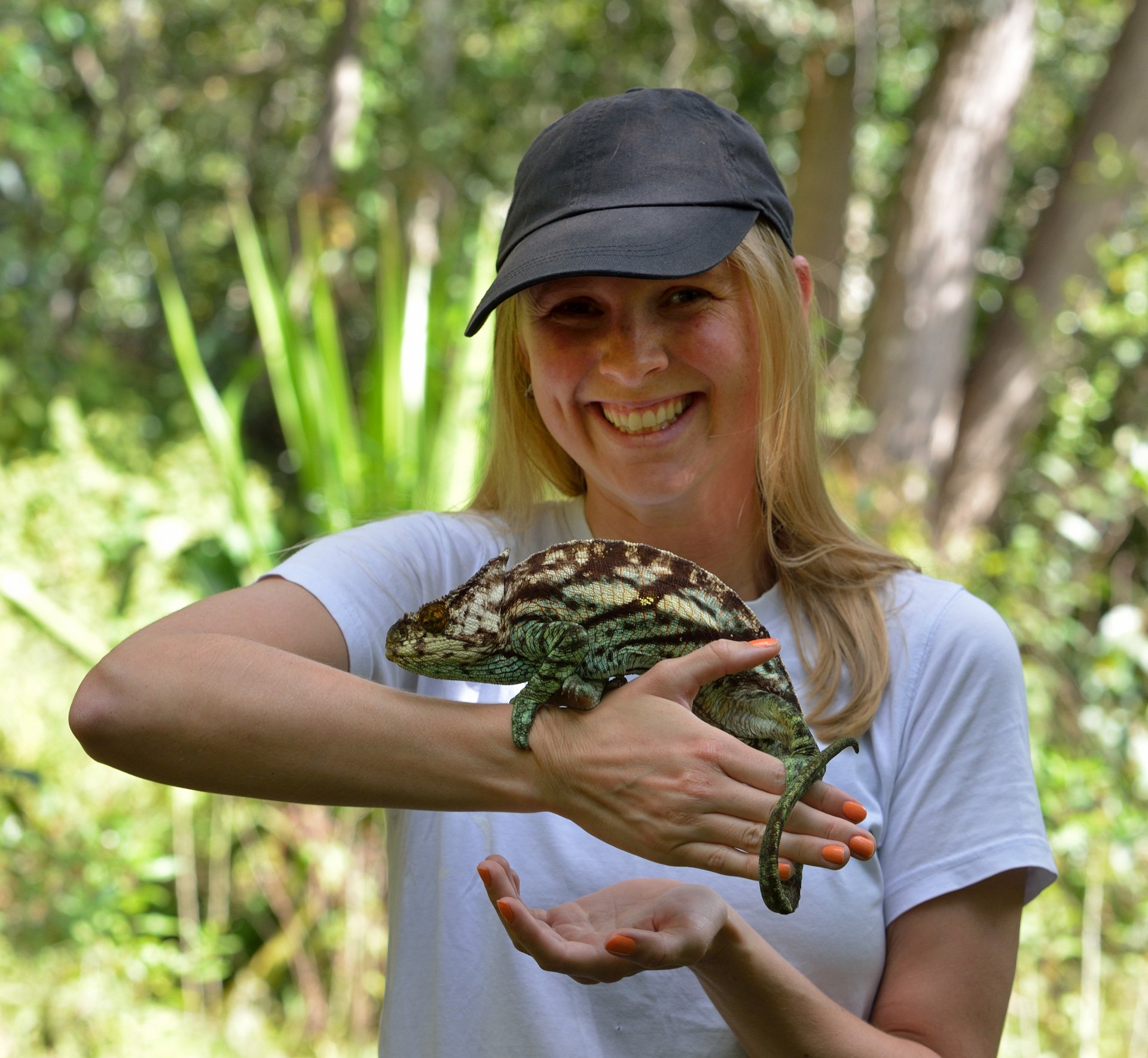
Driving from the highlands in the interior out towards the coast you can see that the rivers run completely yellow with mud, and the mountainsides are bare — because most of the soil has been washed away. It is infinitely sad to see, knowing that the entire island once looked like the lush little reserves that still remain.
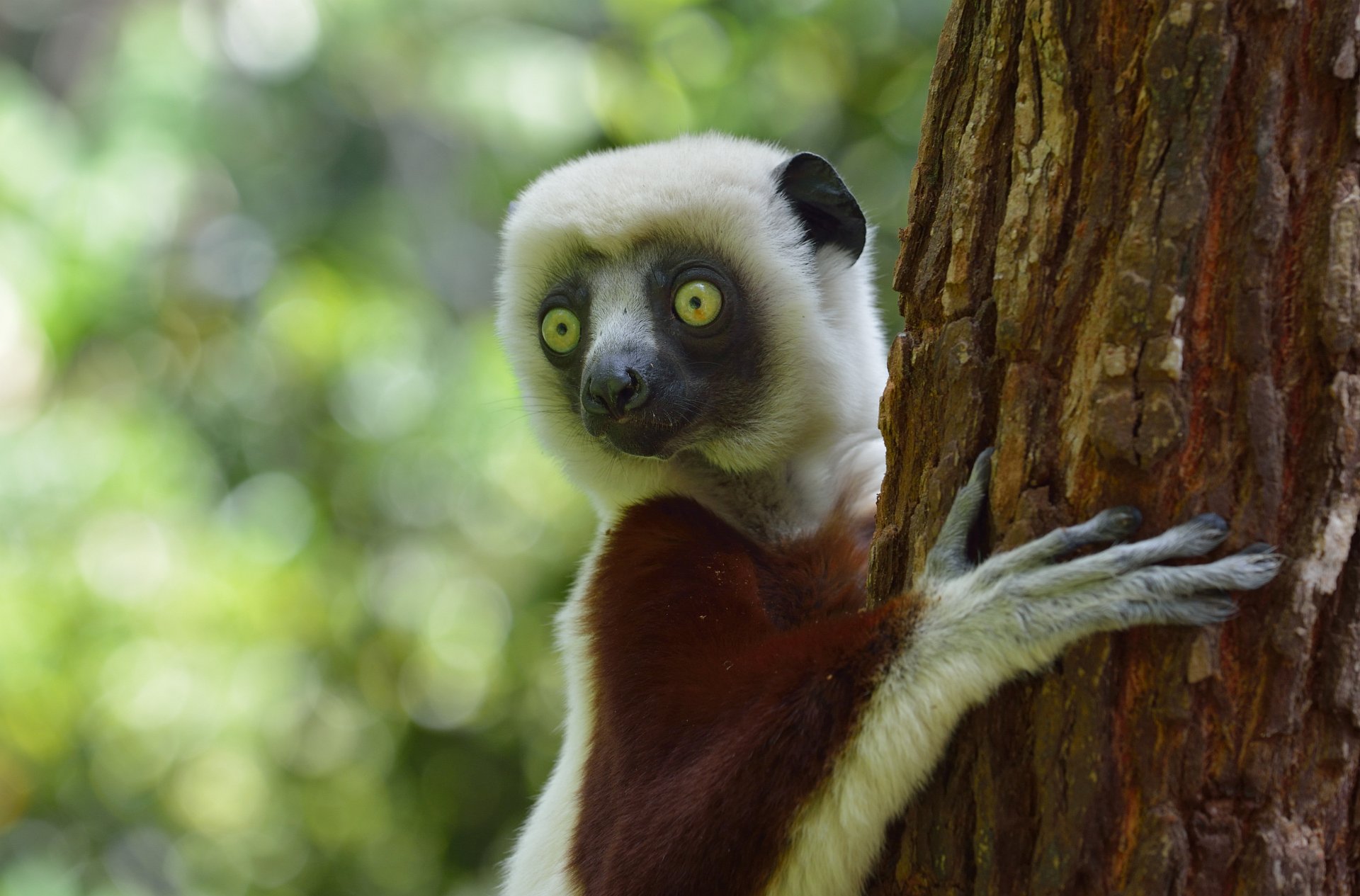
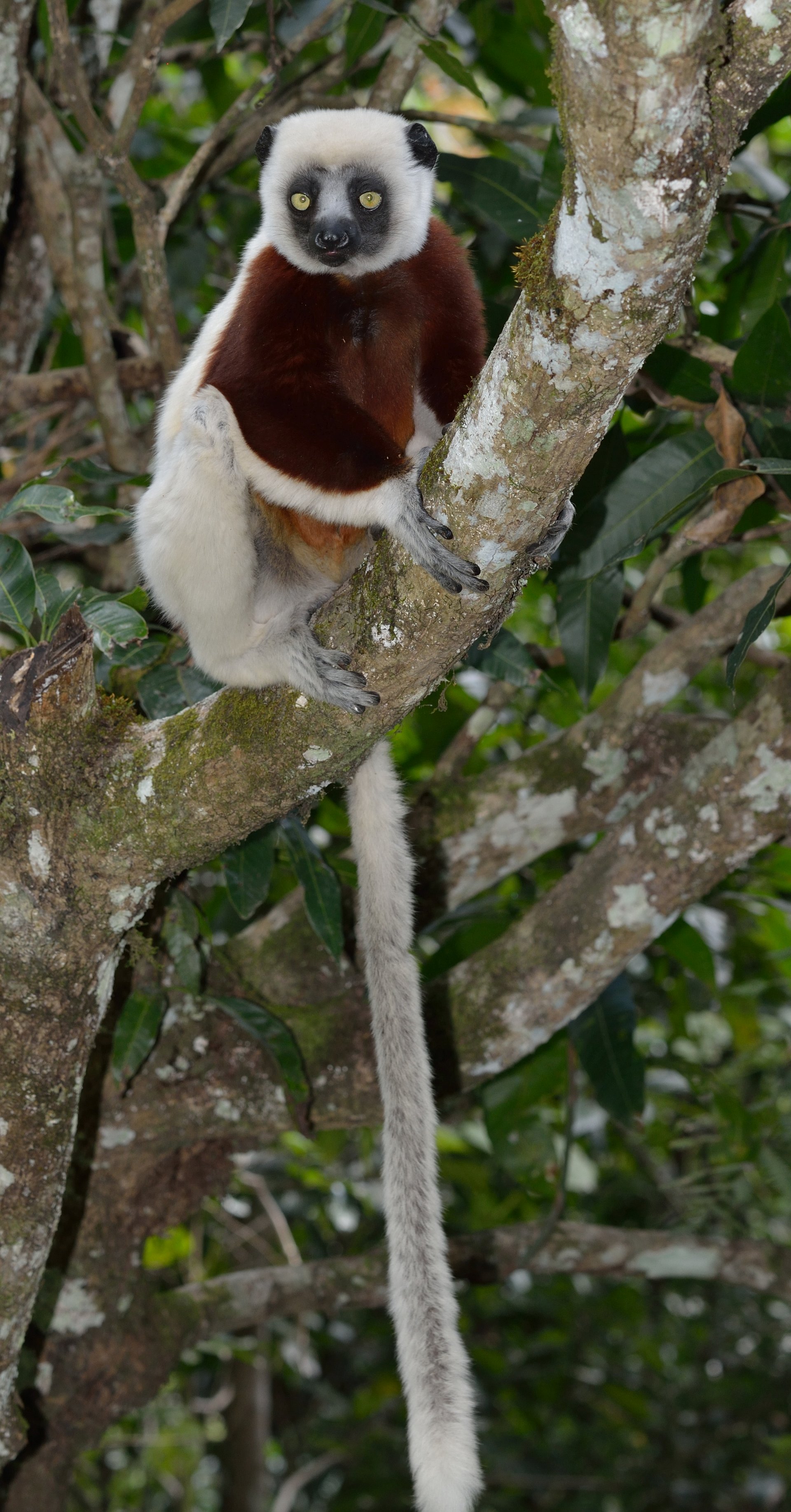
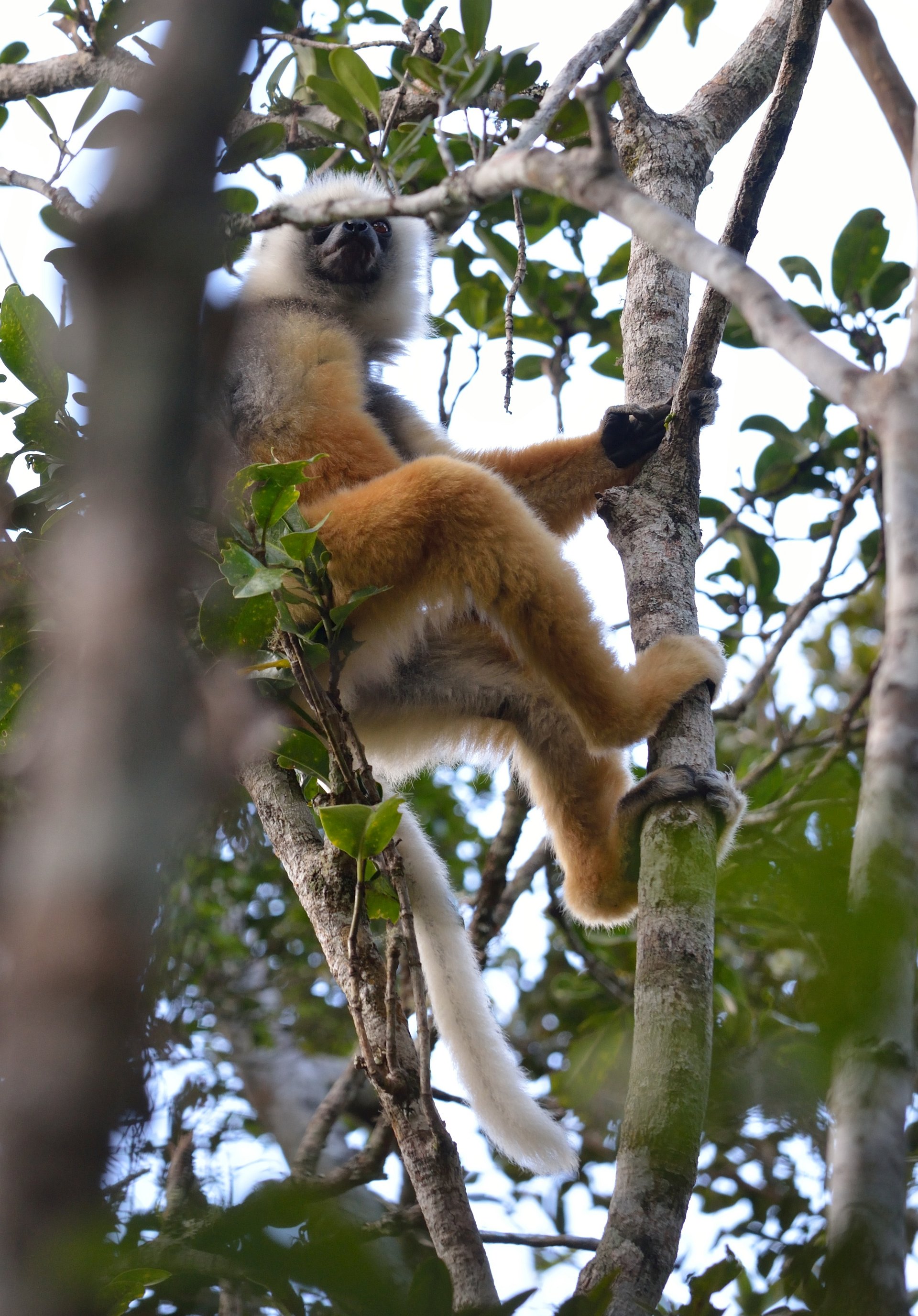
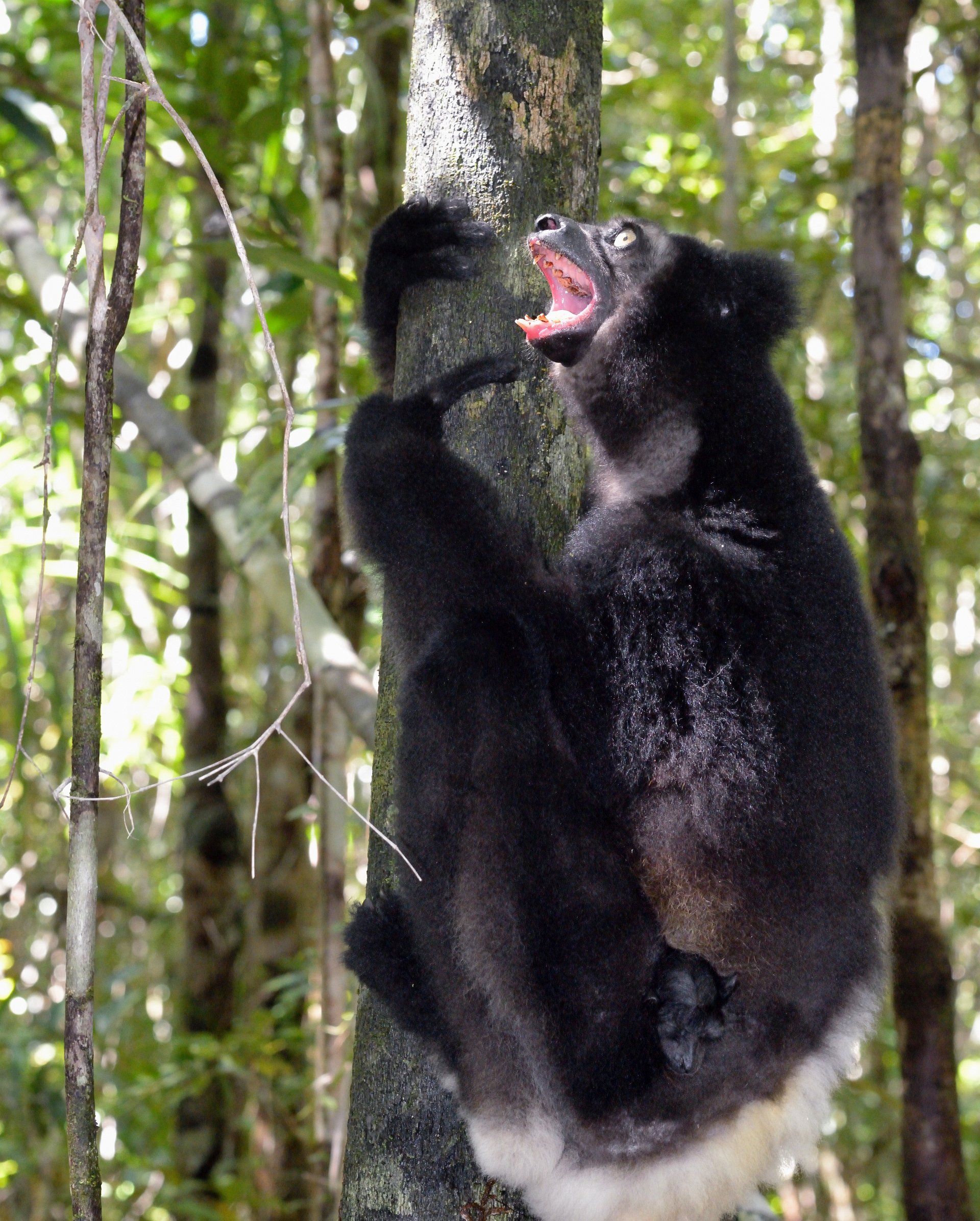
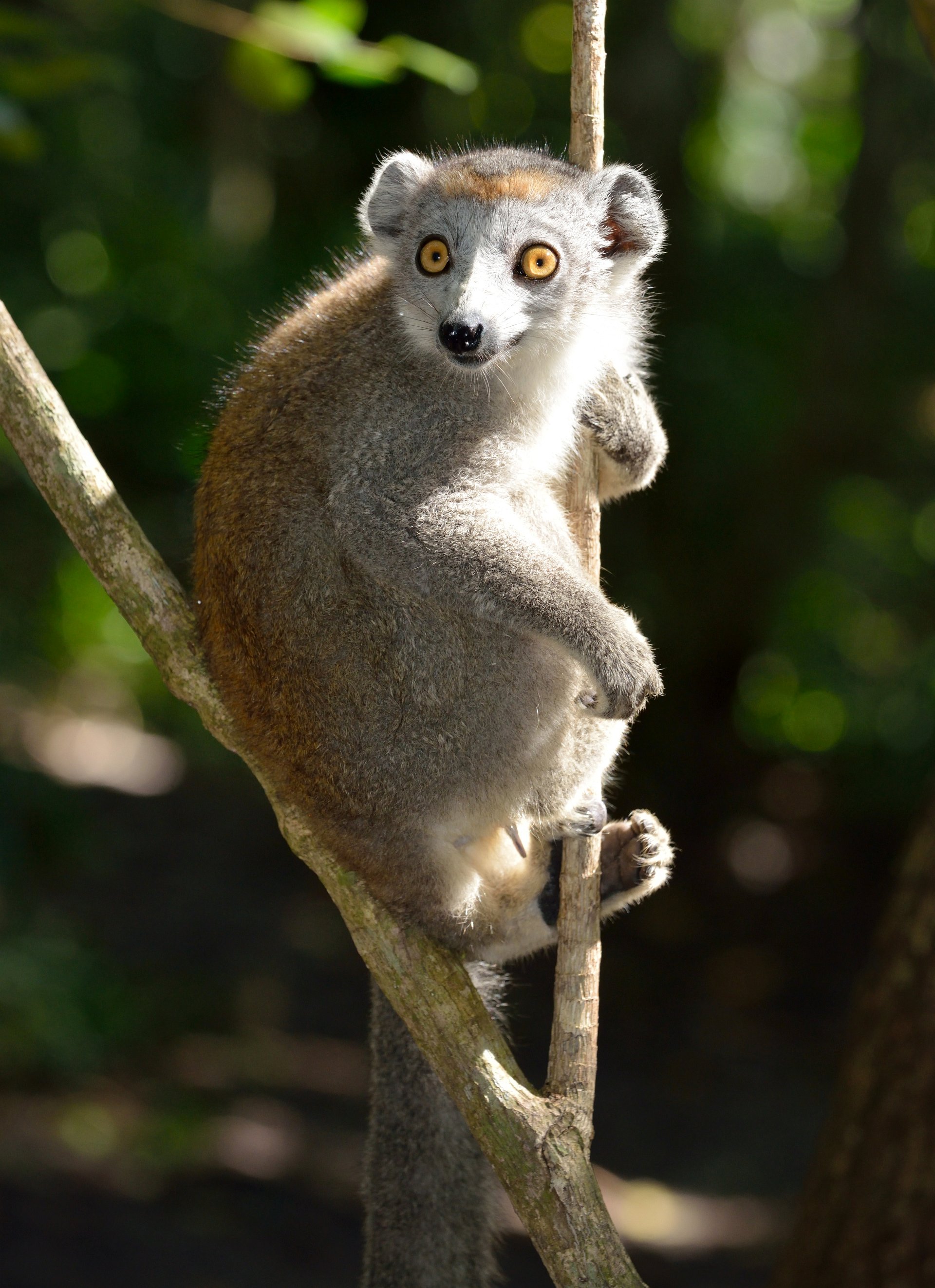
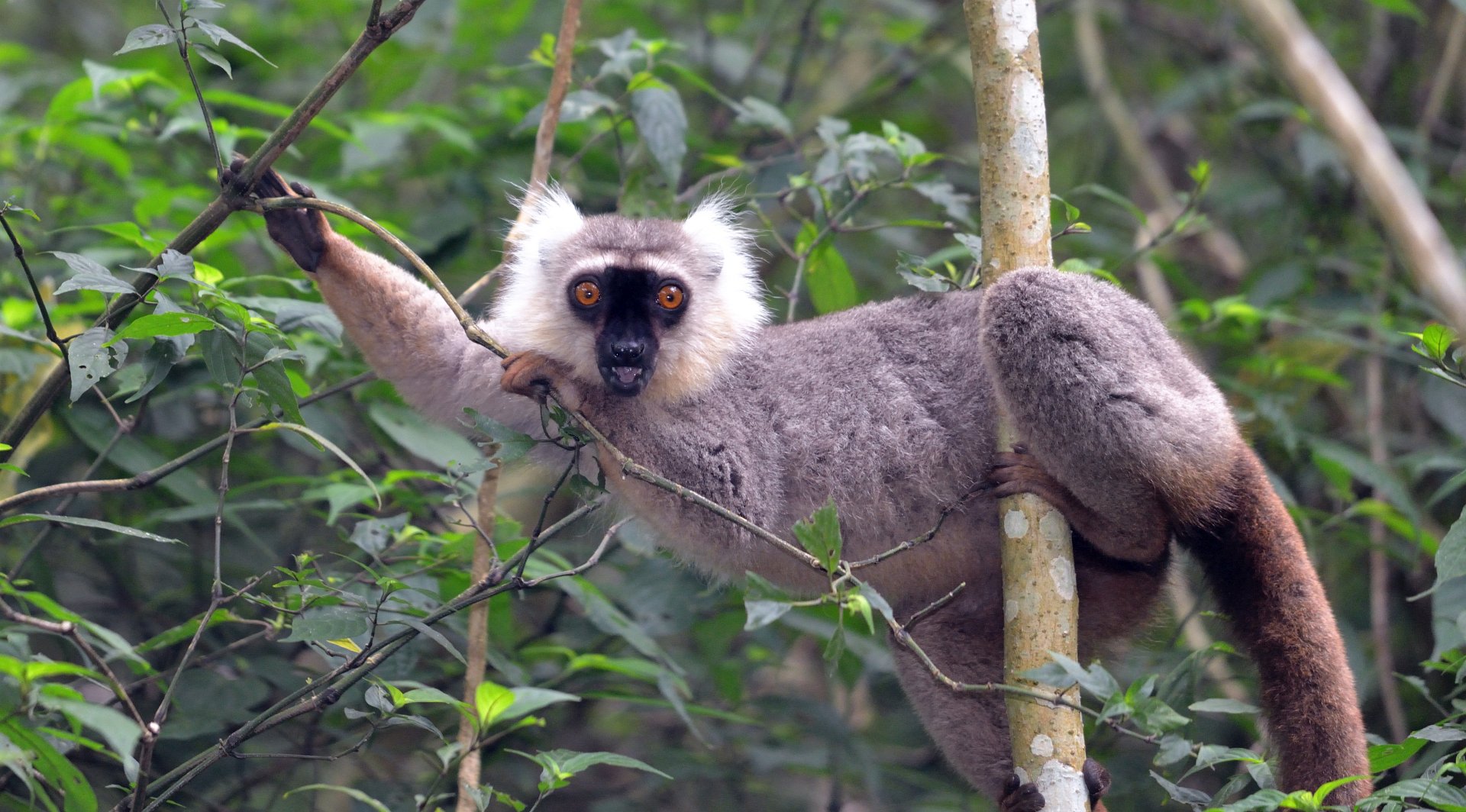
Lemurs come in all sizes and colours, and each species typically lives only within a small area of Madagascar, because they depend on specific trees or plants. They cannot simply be moved to another area if the forest is felled. The large black lemur is the biggest species and has a very powerful voice it uses frequently.
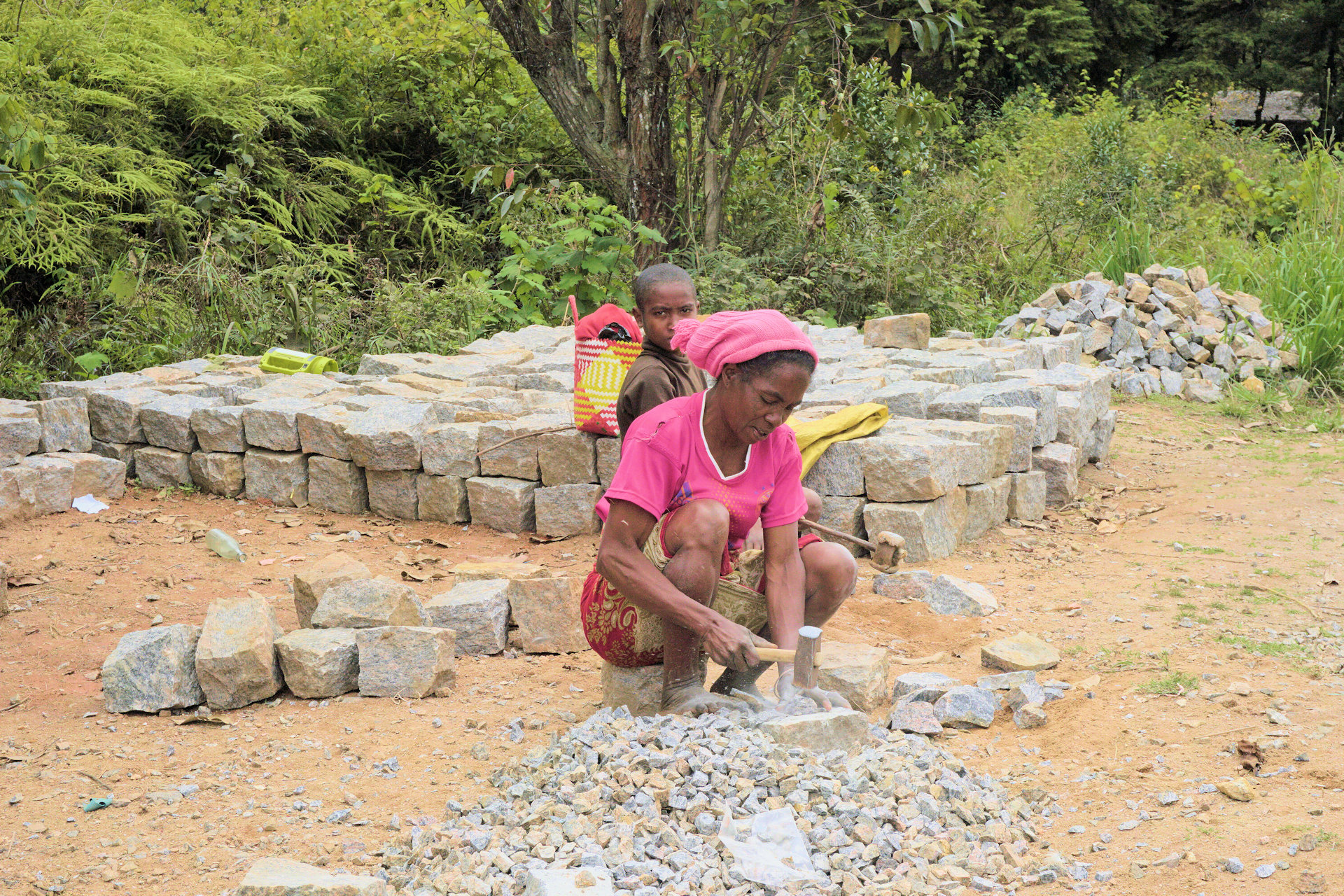
We spent the final days on the beach island of Nosy Be — pure relaxation, swimming and snorkelling alongside large sea turtles.
As a European it is very hard to understand how a country of more than 30 million people can allow such extensive destruction of nature — in a way that makes it impossible for centuries to come to grow crops on the bare mountain slopes. People earn money right now (they survive), but make it impossible for future generations to work the land. According to one of our guides, a number of aid projects are under way — building schools, for instance — but without paying bribes they cannot get an occupancy permit. In the parts of the country where gold and other valuable metals are found, the Chinese are very skilful at gaining influence in order to exploit the resources, and sadly again without the local population benefiting from it.
Travel tips for Madagascar
- It is essential to engage a local tour operator. We found one with local contacts — it worked superbly. We would not have been able to get around the island without a guide.
- You need a very large quantity of small banknotes worth just a few Danish kroner each, to pay porters, room attendants and all manner of small services. For us it was a constant battle to have enough small notes — so change money into small denominations at hotels or wherever you can.
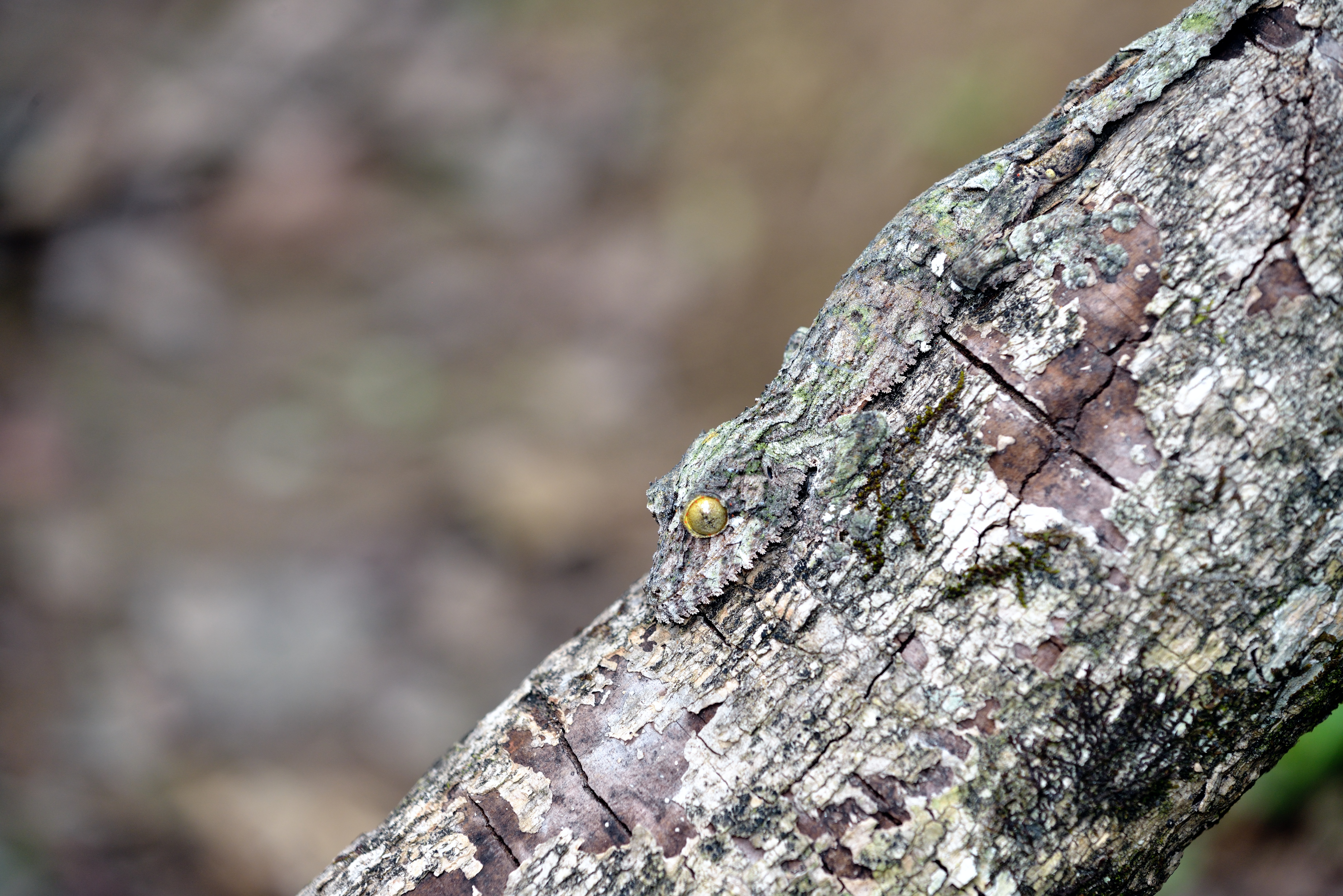
- If you are a photographer, bring a macro lens and possibly a dedicated flash unit. There are so many fascinating small creatures just waiting to be photographed.